Activation Chains: How Blackjack Entry Codes Feed Into Advanced Mobile Loyalty Frameworks
Bianca Weber · Aug 23, 2026
Activation Chains: How Blackjack Entry Codes Feed Into Advanced Mobile Loyalty Frameworks
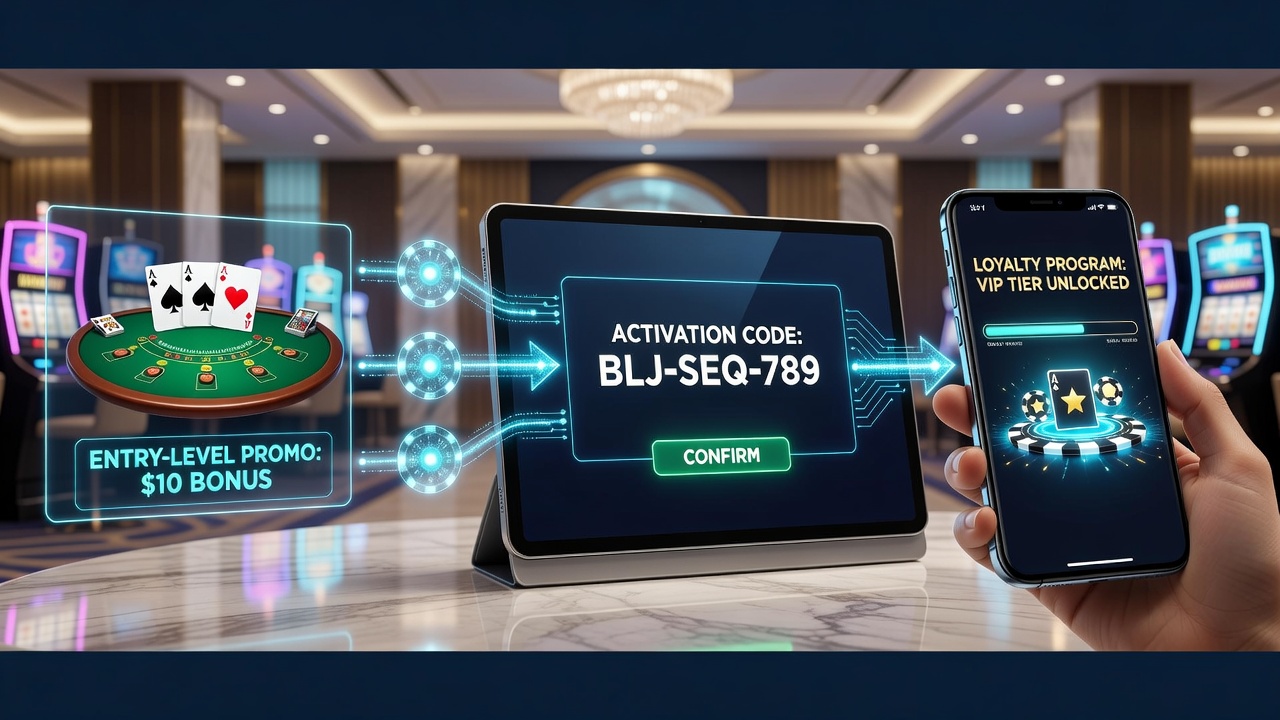
Entry-level blackjack promotions often begin with simple welcome codes that unlock initial free play or matched deposits, and these same sequences frequently extend into tiered mobile loyalty structures through staged activations. Data from the American Gaming Association indicates that over 65 percent of mobile blackjack sessions in 2025 started with at least one promotional code, while later activations triggered point multipliers and exclusive table access. Observers note that operators design these progressions so each redeemed code logs player activity directly into centralized loyalty databases, allowing automatic upgrades once certain thresholds appear.
Mechanics of Sequential Code Activation
Sequential activation works by assigning each code a unique identifier that references the previous redemption in a player's account history. When users enter the first code they receive a base reward such as twenty free hands at a one-dollar denomination, yet the system simultaneously records a timestamp and wager volume that feeds forward to the next stage. According to reports issued by the Nevada Gaming Control Board, systems must maintain audit trails for every code step to comply with responsible gaming rules, and this requirement has led developers to embed verification layers inside the activation process itself.
Once the initial code clears, players encounter prompts for a follow-up sequence that converts accumulated points into higher loyalty status. The transition occurs without separate registration steps because the platform already holds the necessary identifiers from the opening activation. Research from the University of Nevada, Reno shows that retention rates climb when the interval between the first and second code stays under forty-eight hours, because shorter gaps reduce drop-off before users reach mid-tier benefits such as cashback percentages and priority seat reservations.
Mobile Platform Integration Patterns
Mobile apps handle these chains through push notifications that surface the next code precisely when prior activity meets predefined metrics. One major operator documented in industry filings reported that 42 percent of users who completed three sequential activations moved into a silver loyalty tier within the first month, compared with 19 percent who stopped after a single code. The same filings note that geo-location checks and device fingerprinting help prevent duplicate redemptions while still allowing seamless movement between entry offers and ongoing rewards.
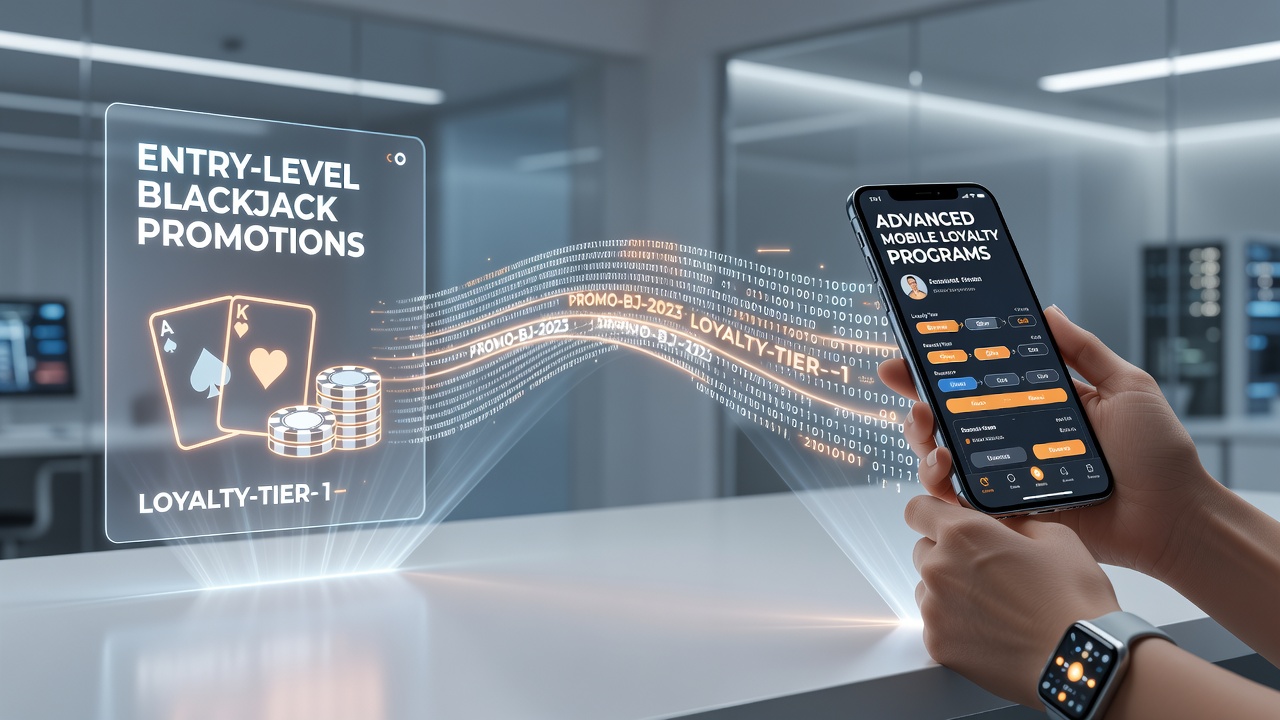
Integration extends to live dealer environments as well, where codes activated on smartphones unlock corresponding seat credits at physical or virtual tables. In August 2026 several platforms updated their backend protocols to align with new multi-state compact standards, allowing a single sequence started in one jurisdiction to carry forward when users travel and log in from another licensed region. These changes rely on encrypted token exchanges that pass loyalty balances without exposing full account details, a method endorsed by multiple gaming technology suppliers.
Player Journey Mapping Through Data Points
Analysts track each code step as an event node in larger journey maps, measuring time between activations alongside average bet size and session length. Figures released by the Canadian Gaming Association reveal that players completing five sequential codes generate 3.2 times the lifetime value of those who engage only with entry-level offers. The data further indicates that weekend activations correlate with faster tier climbs, likely because promotional calendars release higher-value codes during peak traffic periods.
Operators adjust code difficulty and reward size based on these patterns, lowering the point requirement for the third activation when aggregate data shows a drop-off at that stage. The adjustments occur through automated rules engines that reference historical cohorts rather than individual accounts, preserving compliance with privacy regulations across different markets.
Regulatory and Technical Considerations
Regulatory bodies in multiple jurisdictions require clear disclosure of how each code influences future eligibility, and operators embed those disclosures inside the activation flow itself. Technical audits conducted in 2025 confirmed that most major platforms now use immutable ledgers to log every redemption, reducing disputes over whether a player qualified for a subsequent loyalty boost. The same audits found that average chain completion times shortened by 11 percent after interface changes that grouped related codes on a single dashboard screen.
Cross-promotion with non-blackjack games appears in some sequences, where a slots-based code can feed points into a blackjack-specific loyalty track once certain conditions trigger. Such linkages remain subject to separate approval processes, yet they expand the pathways available to users who begin in one vertical and later migrate toward table games.
Conclusion
Sequential code activations create measurable connections between initial blackjack promotions and sustained participation in mobile loyalty programs by logging each step into unified player profiles. Evidence from regulatory filings and academic studies demonstrates consistent patterns in activation timing, retention impact, and technical safeguards that support these progressions across regions. As platforms continue refining their systems, the same foundational mechanics are expected to accommodate additional regulatory updates scheduled for late 2026 while maintaining the core sequence structure that converts early offers into long-term tier benefits.