Charting the Evolution of Incentives in Portable Blackjack Platforms: Linking Entry-Level Rewards to Persistent Loyalty Frameworks
Sofia Schmitz · Jun 21, 2026
Charting the Evolution of Incentives in Portable Blackjack Platforms: Linking Entry-Level Rewards to Persistent Loyalty Frameworks
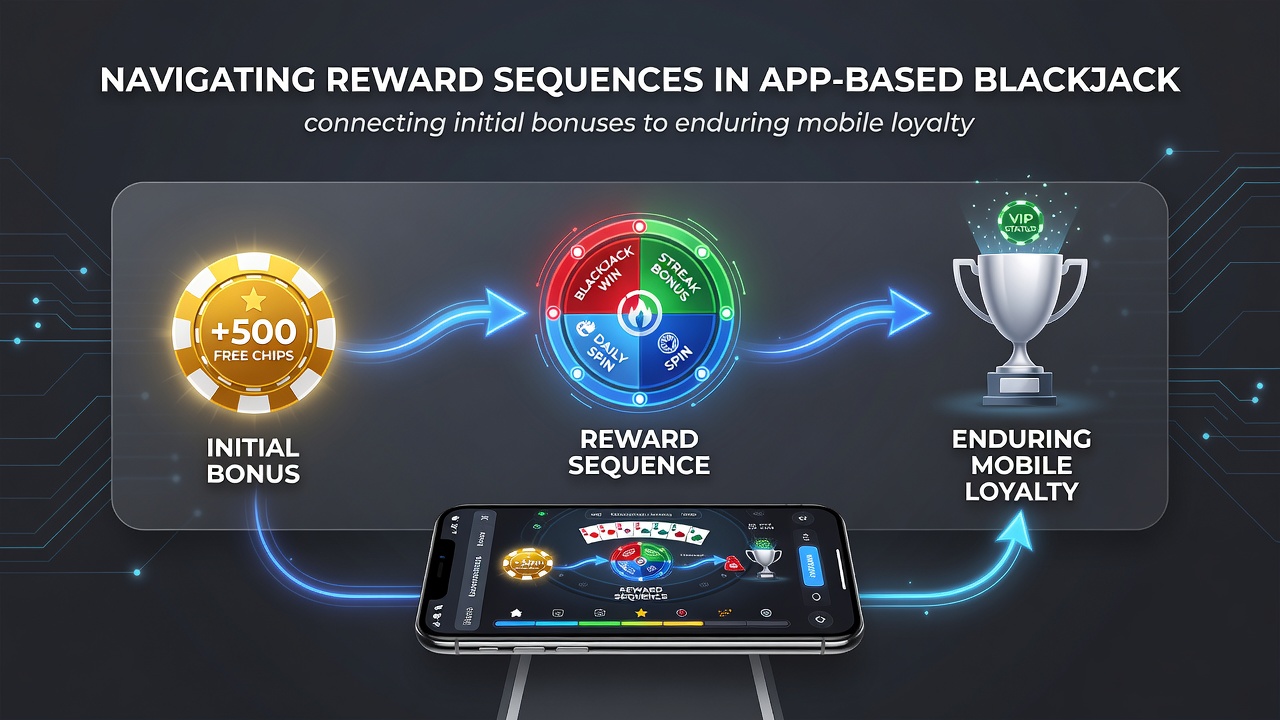
App-based blackjack platforms structure their reward sequences to guide players from initial signup incentives through escalating engagement milestones, and this progression relies on integrated systems that convert one-time bonuses into recurring loyalty benefits. Developers design these sequences with defined stages where activation codes unlock starting credits, and subsequent play accumulates points that feed into tiered programs. According to data from the Canadian Gaming Association, mobile blackjack applications processed over 2.8 billion hands in 2024, with reward pathways contributing to a 34 percent increase in average session length across tracked platforms.
Initial bonuses typically appear as deposit matches or free play credits that require specific wagering thresholds before conversion to withdrawable funds, and these thresholds connect directly to loyalty point accrual mechanisms. Players receive activation keys upon registration, after which gameplay metrics such as hands completed and total wagers feed into backend algorithms that calculate advancement rates. Research from the University of Las Vegas Center for Gaming Research indicates that structured sequences reduce early churn by aligning bonus release schedules with loyalty tier unlocks, creating measurable retention lifts of 19 percent within the first 30 days of account activity.
Activation Mechanics and Point Integration
Entry-level rewards operate through code-based systems that verify eligibility and distribute credits instantly within the app interface, while the same platform logs every qualifying bet toward loyalty accumulation. This dual tracking ensures that bonus funds and real-money wagers both contribute to point totals, although rates often differ based on whether funds originate from promotional sources or player deposits. Observers note that many applications apply multiplier events during promotional windows, allowing accelerated point gains that bridge the gap between starting incentives and higher loyalty brackets.
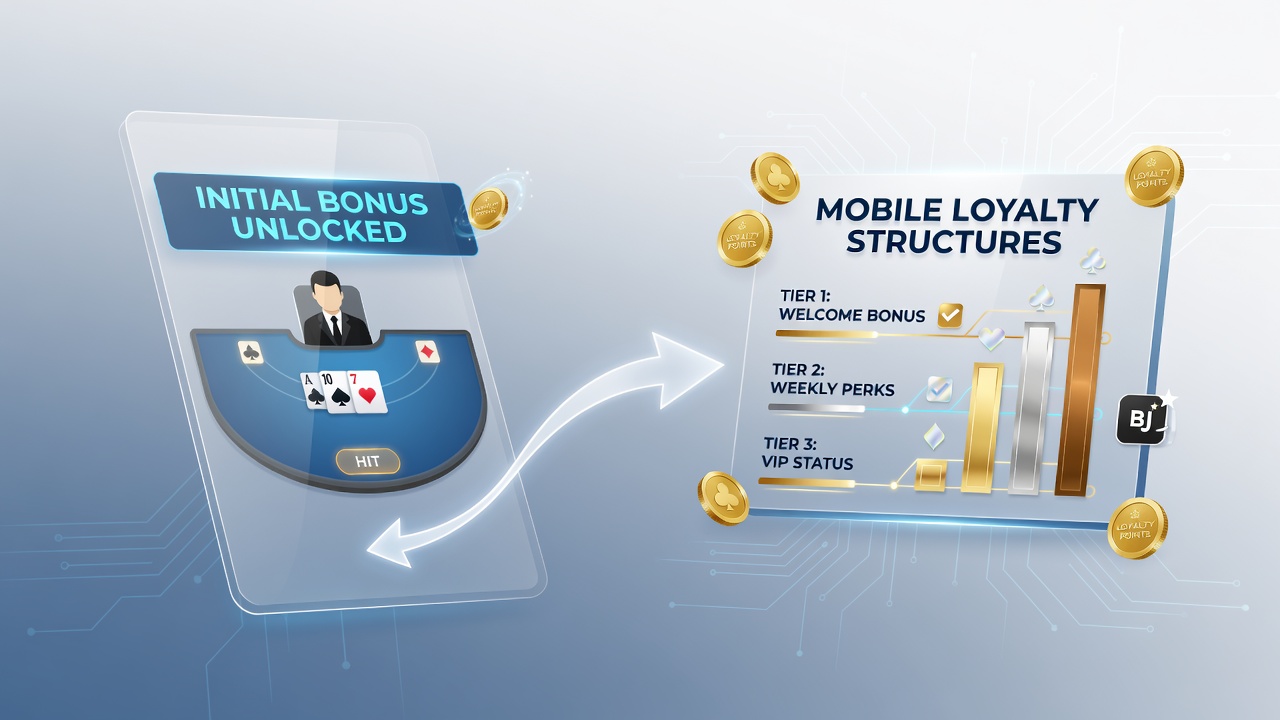
Sequencing becomes evident when players complete wagering requirements attached to welcome offers, at which point accumulated points automatically qualify accounts for tier elevation. These elevations unlock benefits such as cashback percentages, priority support access, and customized bonus schedules that scale with continued activity. Figures from industry tracking services reveal that 67 percent of mobile blackjack users who reach the second loyalty tier maintain activity for at least six additional months compared with those who remain at entry level.
Tier Progression and Sustained Engagement
Loyalty structures in these ecosystems use cumulative metrics that reset or carry forward depending on the program design, and many platforms employ monthly or quarterly qualification periods to maintain momentum. Points earned from blackjack hands convert into redeemable rewards that include tournament entries, exclusive table access, or additional bonus credits, and these redemptions often trigger new sequences that restart the cycle at a higher level. Data compiled by the Australian Interactive Gambling Council shows that tiered systems correlate with a 41 percent rise in repeat deposits among users who advance at least one level within their first quarter of play.
Developers incorporate variable reward timing so that some benefits activate immediately after point thresholds while others require verification or additional play volume, and this staggered approach keeps engagement distributed across longer periods. Applications frequently notify users of impending tier status through in-app alerts that detail remaining requirements, thereby guiding continued participation without external prompting. Those who have examined retention analytics find that transparent sequencing reduces drop-off rates during the transition from bonus-driven sessions to loyalty-driven ones.
Regional Regulatory Influences on Sequence Design
Regulatory frameworks in various jurisdictions shape how sequences must be disclosed and how bonus funds interact with loyalty calculations, and operators adjust algorithms accordingly to remain compliant across markets. In regions overseen by the Malta Gaming Authority, for instance, clear separation between promotional credits and loyalty points appears mandatory, which influences how apps present progression paths to users. Similar requirements appear in Canadian provincial regulations where point accrual from bonus play must follow documented formulas that players can review at any time.
These compliance layers add complexity to sequence architecture yet also create standardized reporting that helps analysts compare retention outcomes across different platforms. June 2026 has been referenced in some licensing renewal discussions as a potential checkpoint for updated disclosure standards, although current implementations already emphasize audit trails that link every bonus activation to subsequent loyalty activity.
Conclusion
App-based blackjack reward sequences function as interconnected chains that begin with code-activated entry offers and extend through sustained point accumulation into tiered loyalty structures, and this architecture supports measurable retention improvements documented by multiple research bodies. The integration of activation mechanics with ongoing engagement metrics allows platforms to convert initial player acquisition into enduring participation patterns while meeting regional compliance standards. Continued evolution of these systems will likely depend on further data regarding how specific sequence adjustments influence long-term user behavior across global markets.