Code Pathways in Pocket Casinos: Tracing How Welcome Incentives Evolve into Sustained Blackjack Engagement
Sofia Schmitz · May 26, 2026
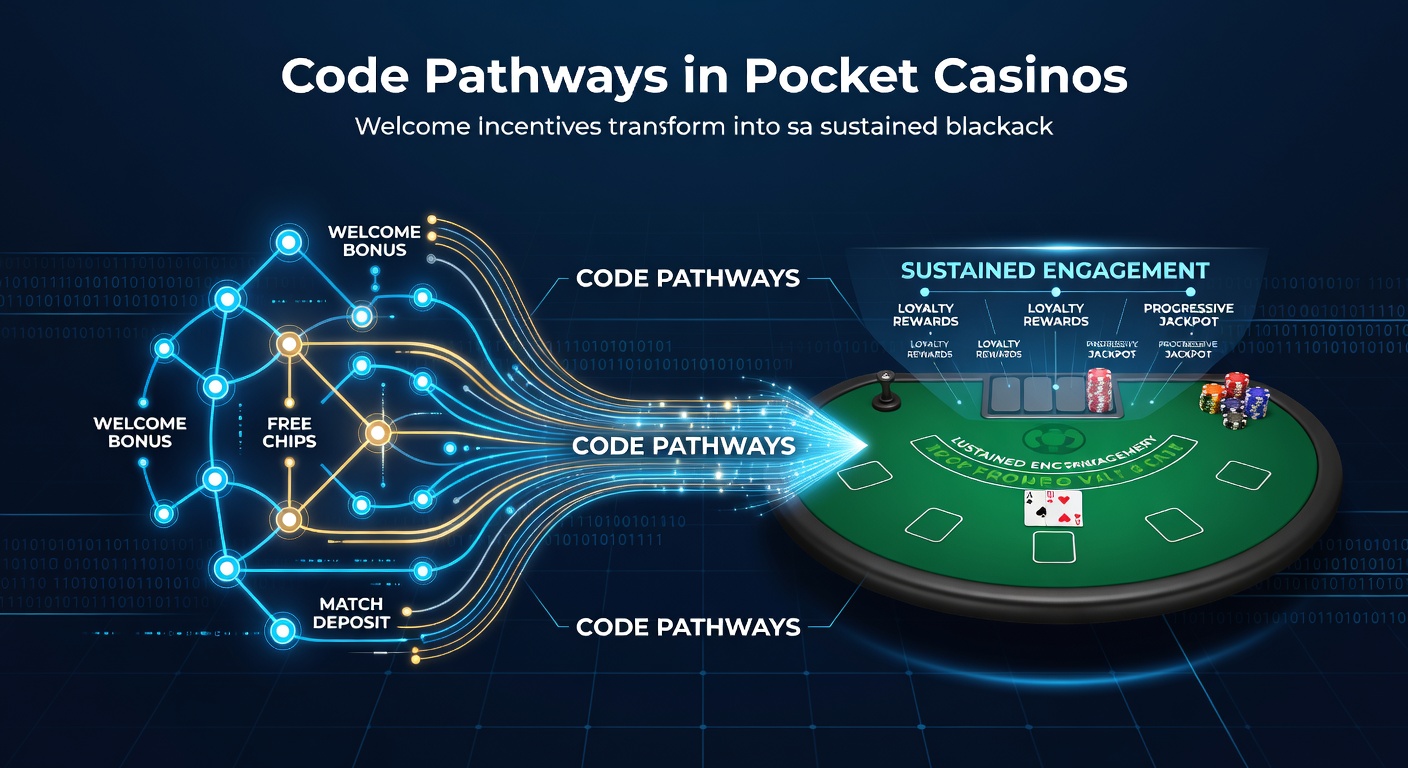
Code Pathways in Pocket Casinos: Tracing How Welcome Incentives Evolve into Sustained Blackjack Engagement
Code pathways in pocket casinos operate through structured sequences that begin with welcome incentives and extend into ongoing blackjack participation; these systems rely on activation codes that unlock initial deposits or free play credits while embedding players into loyalty frameworks that encourage repeated sessions on mobile platforms. Data from industry reports indicate that such codes frequently tie to blackjack-specific requirements, where wagering multiples convert bonus funds into real-money play opportunities across smartphone applications.
Activation typically starts when users enter a welcome code during registration or first deposit; this process grants credits that must meet playthrough thresholds before withdrawal eligibility arises, and operators design these thresholds to direct activity toward table games like blackjack. Research from academic sources shows that players who engage with these codes exhibit higher retention rates in subsequent months because the incentives introduce core mechanics while gradually shifting focus to sustained participation through tiered rewards.
Initial Code Activation and Blackjack Integration
Welcome incentives in mobile environments often feature no-deposit codes or matched deposit offers that apply directly to blackjack tables, allowing immediate access without large upfront commitments; these codes track user behavior from the first hand onward, logging spins or decisions that contribute to advancement metrics. Observers note that platforms integrate these tools with real-time notifications that prompt continued play once initial credits activate, creating a seamless transition from entry-level engagement to deeper involvement.
Studies conducted by research institutions reveal that blackjack receives particular emphasis in these pathways because its skill elements align with code conditions that reward strategic decisions over pure chance; for instance, one dataset from North American operators demonstrated that players completing code-related blackjack rounds advanced to loyalty tiers 35 percent faster than those focused on slots alone. This progression occurs while users remain within the same application, minimizing friction and supporting habitual returns.
Progression Through Tiered Systems and Mobile Ecosystems
Once initial incentives expire, code pathways channel users into loyalty structures where accumulated points from blackjack sessions unlock higher reward levels; these tiers provide benefits such as cashback percentages, exclusive table access, or accelerated code redemptions that maintain momentum. Figures from regulatory filings indicate steady growth in mobile blackjack engagement following welcome code usage, with average session lengths increasing as players unlock successive benefits.
Platforms employ algorithms that adjust code availability based on prior activity, sending personalized offers that reference past blackjack performance to reinforce the pathway; this adaptive approach appears in data collected across multiple regions. In May 2026, updates to mobile gaming compliance standards in several jurisdictions are scheduled to require clearer disclosure of these progression mechanics, which could influence how operators present code-driven journeys to users.
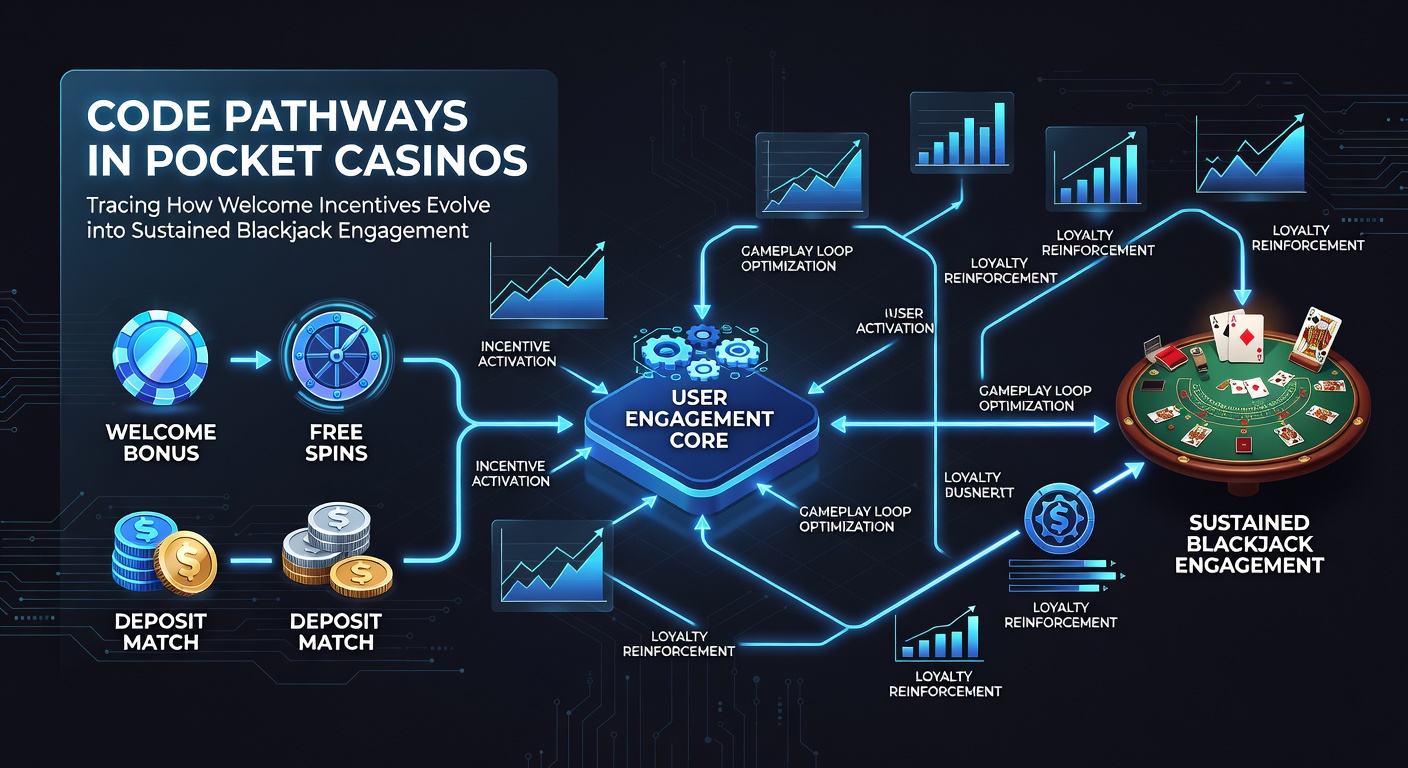
Those who've examined retention analytics find that sustained engagement often correlates with the frequency of code redemptions tied to blackjack milestones, where reaching certain hand volumes triggers bonus extensions; this creates feedback loops that embed the game within daily routines. External data from the Nevada Gaming Control Board highlights patterns in player accounts that started with welcome incentives and maintained activity through structured reward ladders over 12-month periods.
Regional Variations and Data Patterns
Operators in different markets adapt code pathways to local preferences, with European platforms emphasizing responsible play integrations alongside incentive structures while North American applications focus on seamless mobile wallet linkages for blackjack deposits; a report issued by the Australian Gambling Research Centre documented comparable retention curves when welcome codes transitioned into loyalty programs across tested applications. These variations demonstrate how geographic factors shape the evolution from one-time incentives to habitual engagement without altering the underlying code mechanics.
Additional analysis from the European Gaming and Betting Association tracks aggregate trends showing that blackjack code users generate consistent revenue contributions once they enter tiered systems, with mobile-specific features like push notifications accelerating the shift toward long-term play. Such patterns emerge because the codes serve as entry points that collect behavioral data used to refine subsequent offers.
Conclusion
Code pathways ultimately function as interconnected sequences that link initial welcome incentives to enduring blackjack participation through progressive rewards and mobile optimization; available data confirm that these mechanisms support measurable increases in player longevity across diverse markets. As regulatory adjustments approach in 2026, the frameworks governing these transitions continue to evolve based on documented usage patterns and compliance requirements.