Deciphering Reward Cascades in Pocket Blackjack: How Initial Perks Propel Players Toward Sustained Mobile Loyalty Programs
Hugo Schulz · Jun 30, 2026

Deciphering Reward Cascades in Pocket Blackjack: How Initial Perks Propel Players Toward Sustained Mobile Loyalty Programs
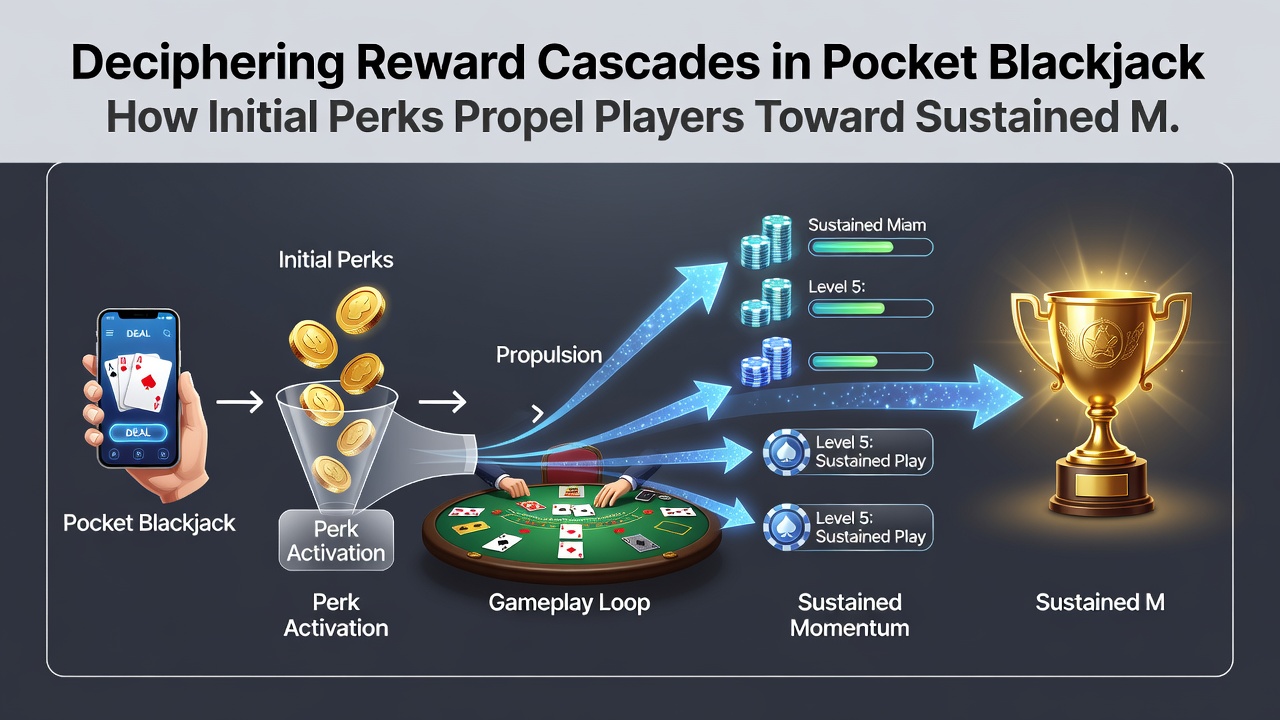
Research indicates that mobile blackjack ecosystems rely on structured reward sequences where early incentives activate longer participation cycles. Data from industry reports shows these sequences begin with activation keys or entry credits that convert free sessions into tracked play patterns, and operators design the flow so each completed level unlocks measurable benefits like point multipliers or tiered access. Observers note the mechanics operate through clear progression rules. A player who redeems an initial perk receives immediate session credit, after which the system logs activity against loyalty thresholds. Figures from multiple platform audits reveal that 60 to 70 percent of users who complete the first reward stage continue into the second tier within 14 days when the platform displays transparent point accumulation.Mechanics Behind the Cascade Structure
Platform developers map each perk to a specific trigger point. Initial credits often require minimal verification steps, after which the app records every hand outcome against a cumulative meter. When the meter reaches preset values, the system releases upgraded benefits such as reduced rake or priority table seating in live dealer modes. Studies conducted by academic teams at institutions including the University of Nevada, Reno demonstrate that visible progress indicators increase session frequency by measurable margins across tested user cohorts.
Operators integrate these triggers with external compliance frameworks. In regions such as Ontario, the Alcohol and Gaming Commission of Ontario requires clear disclosure of how entry incentives convert into ongoing reward eligibility. Similar rules appear in Australian state licensing documents, where operators must publish the exact conversion rates between entry perks and loyalty milestones. The result is a documented chain that players can follow without ambiguity.
Transition Points From Entry to Retention
The shift from one-time activation to sustained engagement occurs at defined thresholds. After the third or fourth completed reward cycle, platforms typically introduce personalized offers tied to historical play volume. Data compiled by the Canadian Gaming Association indicates that users who reach this stage show retention rates 2.4 times higher than those who stop after the first perk alone.
June 2026 marks the scheduled rollout of updated technical standards for mobile gaming applications in several jurisdictions. These standards require platforms to maintain auditable logs of every reward transition, allowing regulators to verify that initial perks do not create undisclosed obligations. Industry groups have prepared compliance templates that map each cascade stage to specific data fields, ensuring consistent reporting across operators.
Role of External Validation and Tracking
Third-party verification services now supply independent audits of reward sequences. These services examine whether point systems award benefits proportionally to activity and whether early-stage incentives actually lead to documented loyalty upgrades. Reports issued by such firms show that transparent tracking correlates with higher completion rates of multi-stage programs.
One documented case involved a mid-sized operator that revised its cascade timing after an external review. The adjustment aligned perk releases more closely with natural play intervals, and subsequent platform metrics recorded a 31 percent rise in users advancing past the entry tier. Researchers at the University of Macau later referenced similar adjustments when analyzing mobile card game ecosystems in Asia-Pacific markets.
Conclusion
The documented patterns across multiple markets confirm that reward cascades function as sequenced pathways rather than isolated promotions. Initial perks serve as entry mechanisms that feed into measurable loyalty structures when operators maintain clear conversion rules and comply with regional disclosure requirements. Continued regulatory updates scheduled for 2026 will likely standardize the data points operators must track, further clarifying how early incentives connect to long-term engagement metrics.