Examining Interlinked Promotion Structures That Guide Blackjack Enthusiasts From Initial Mobile Entry to Cross-Platform Loyalty Milestones
Jakob Butler · Jul 7, 2026
Examining Interlinked Promotion Structures That Guide Blackjack Enthusiasts From Initial Mobile Entry to Cross-Platform Loyalty Milestones
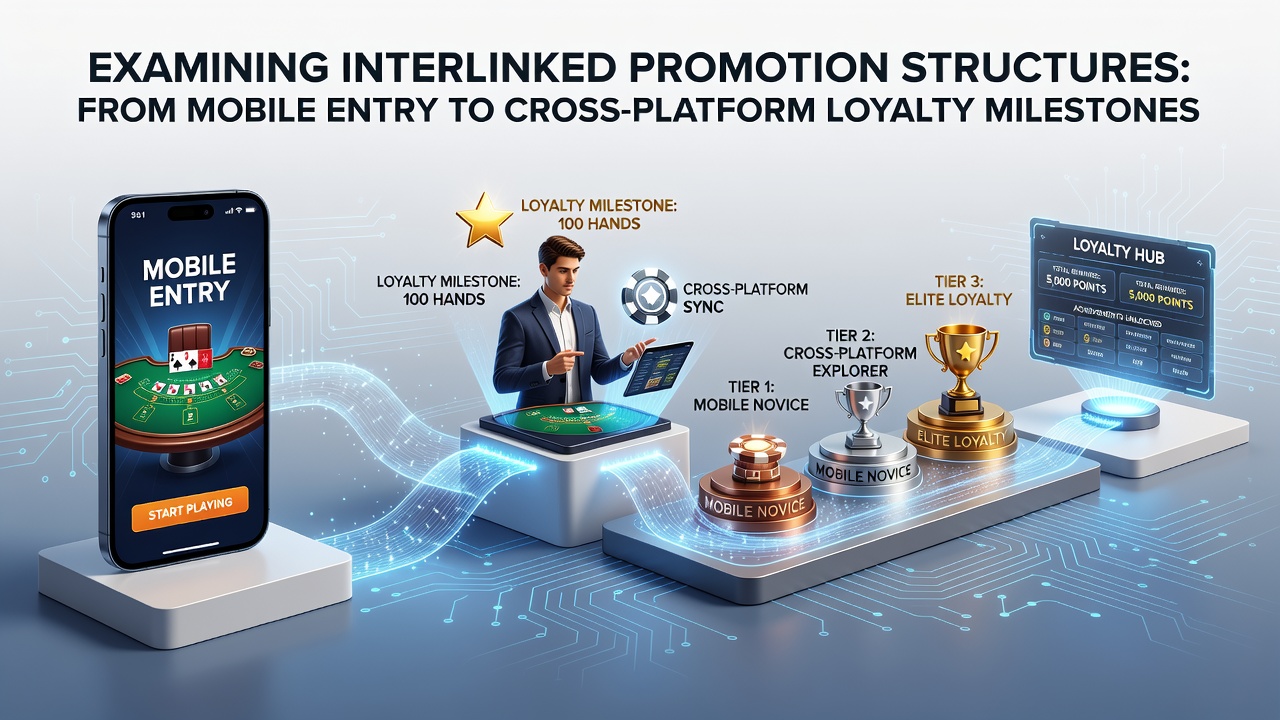
Promotion structures in digital blackjack environments operate through interconnected systems that begin with mobile app registrations and extend across multiple platforms to reward sustained participation, according to industry analyses from the American Gaming Association. These frameworks typically integrate initial incentives such as welcome matches and free play credits with progressive tracking mechanisms that accumulate player activity into tiered loyalty benefits, and data from regulatory filings in various jurisdictions shows consistent patterns in how operators design these sequences to maintain engagement over time.
Mobile Onboarding and Entry-Level Incentives
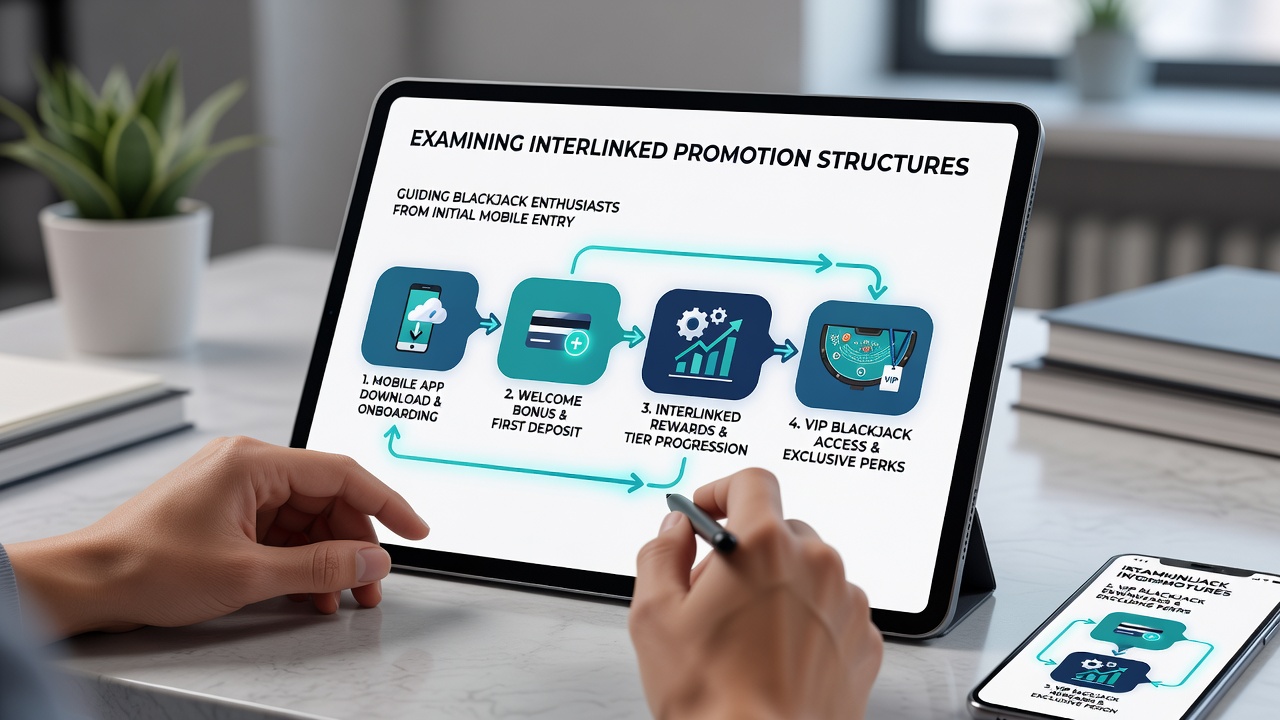
Operators structure mobile entry points around verification processes that unlock base-level rewards including deposit bonuses and risk-free hands, while research from the National Center for Responsible Gaming indicates these activations often require minimum playthrough thresholds before players advance further. The systems link directly to account profiles that monitor session frequency and wager volumes from the outset, creating data trails that inform subsequent offer eligibility across connected devices.
Progression Through Tiered Reward Layers
Once initial mobile activities establish a player record, the structures transition users into point-based accumulation models where each hand or bet contributes to level advancement, and figures from state gaming reports in New Jersey reveal that many platforms cap early rewards to encourage movement toward mid-tier milestones such as cashback percentages and exclusive table access. These layers connect through shared databases that recognize prior activity, allowing seamless carryover when participants shift from smartphone sessions to desktop interfaces or tablet environments.
Cross-Platform Synchronization Mechanisms
Synchronization occurs via unified player accounts that track loyalty metrics regardless of access method, enabling rewards earned on mobile to apply during later engagements on other devices, whereas studies published through the Gambling Research Australia network demonstrate how operators employ API integrations to maintain continuity and prevent fragmentation in the user experience. This approach supports milestone achievements such as annual loyalty resets or multi-platform challenges that span several months, and observers note the presence of time-bound events that accelerate progression when activity spans multiple channels simultaneously.
Regulatory Context and July 2026 Developments
Upcoming changes scheduled for July 2026 in select Canadian provinces introduce updated disclosure requirements for promotional pathways, requiring clearer documentation of how mobile entry offers feed into broader loyalty frameworks, while reports from the Ontario Lottery and Gaming Corporation highlight ongoing efforts to standardize these disclosures across operators. Such adjustments aim to align promotional mechanics with evolving compliance standards without altering the core interlinked design that guides participants through successive engagement stages.
Milestone Achievements and Retention Pathways
Higher milestones typically unlock personalized incentives such as dedicated account managers or accelerated point multipliers, and evidence from academic reviews in European gaming studies shows these elements often correlate with extended participation intervals when integrated across platforms. The structures incorporate feedback loops where completed milestones trigger automated notifications for follow-on opportunities, maintaining momentum through sequenced rewards that build upon earlier mobile activations.
Conclusion
Interlinked promotion architectures in blackjack applications establish defined routes from initial mobile registrations through cumulative loyalty stages that extend across devices, supported by tracking technologies and regulatory oversight that continue to evolve through 2026. These systems rely on data continuity and threshold-based advancements to connect early incentives with long-term participation markers, as documented in multiple regional analyses and industry filings.