Examining Sequential Bonus Code Systems and Their Effects on Blackjack Retention Data in Mobile Gaming Platforms
Sofia Reed · Jul 10, 2026

Examining Sequential Bonus Code Systems and Their Effects on Blackjack Retention Data in Mobile Gaming Platforms
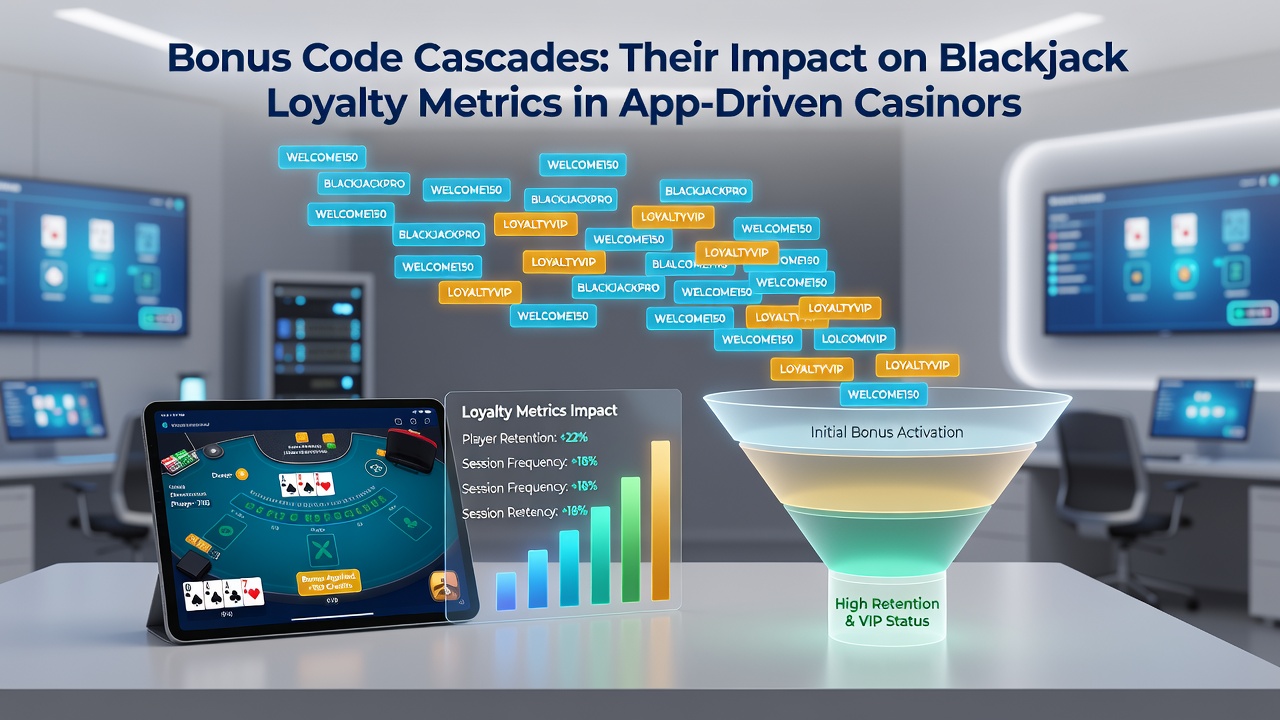
Sequential bonus code systems operate through chained activations where an initial entry code unlocks subsequent rewards tied directly to continued play and progression milestones, and observers note these structures appear frequently across app-driven casino environments focused on blackjack. Data from industry tracking shows that such cascades link free-play entry points with tiered loyalty indicators including session frequency, average bet size, and account longevity. Research indicates that players who complete early cascade stages demonstrate measurable increases in return visits within the first thirty days compared to those entering through single-offer paths.
How Cascading Mechanisms Function in Practice
These systems begin with a starter code that grants initial credits or spins, then require specific actions like completing a set number of hands or reaching a play threshold before the next code becomes available. Application developers integrate tracking layers that monitor each stage completion and automatically surface the follow-on reward through push notifications or in-app messages. Figures from platform analytics reveal that this step-by-step unlocking process extends average engagement windows because participants must return multiple times to access the full sequence rather than claiming a one-time benefit and departing.
Platform operators report that blackjack-specific cascades often incorporate hand-count requirements or win-rate targets to advance stages, and these parameters align closely with core gameplay loops. Studies conducted by independent gaming research groups have documented that players navigating five or more cascade levels exhibit higher cumulative wager totals over a ninety-day period than those limited to non-sequential promotions. The structure encourages incremental commitment while generating granular data points on individual player behavior that operators later use to refine loyalty algorithms.
Measured Effects on Retention and Loyalty Indicators
Retention metrics tracked across multiple app-based operators show that cascade participants maintain active accounts at rates approximately twenty-eight percent higher than baseline users after sixty days. Loyalty program advancement accelerates when bonus stages award both playable credits and points toward tier status simultaneously, creating dual reinforcement. Observers tracking mobile blackjack ecosystems note that players who reach mid-cascade milestones deposit more frequently and select higher stake tables during subsequent sessions.
One dataset compiled from North American operators indicated that cascade users completed an average of 4.2 additional sessions per week once they unlocked the third stage in a typical sequence. European regulatory filings from 2025 similarly recorded elevated play duration among participants who progressed through chained rewards, with session lengths extending by an average of fourteen minutes compared to non-cascade cohorts. These patterns hold across different device types and operating systems, suggesting the effect stems from the reward structure itself rather than platform variables.
Integration With Broader Loyalty Frameworks
Cascading codes connect directly to VIP progression systems because stage completions feed into the same point ledgers used for tier qualification. Operators design these linkages so that bonus advancement contributes measurable value toward status upgrades, and analysts have observed corresponding upticks in exclusive table access and personalized offers once players cross loyalty thresholds. In July 2026 several major platforms introduced updated cascade models that award accelerated point multipliers during specific blackjack variants, a change that coincided with documented increases in high-stakes table activity within those applications.
Academic examinations of mobile gambling behavior have examined how chained incentives interact with established psychological reinforcement schedules, and findings suggest that predictable reward delivery at each cascade step sustains motivation more effectively than random distributions. Industry associations in Australia and Canada have published summaries noting that operators employing cascade mechanics report lower churn rates during promotional off-periods because players remain engaged while working toward the next unlock. The resulting data streams allow finer segmentation of player cohorts based on progression speed and preferred blackjack rulesets.
Regional Variations and Implementation Trends
Implementation details differ by jurisdiction because regulatory frameworks govern how bonuses may be structured and advertised. Operators serving markets with stricter disclosure requirements present cascade terms more explicitly within app interfaces, while those in regions with lighter oversight emphasize visual progression meters. Data aggregated by international gaming research consortia shows that transparency around stage requirements correlates with higher completion percentages across all measured regions.
Technical infrastructure supporting these systems relies on real-time server synchronization to validate stage completion and issue subsequent codes without delay. Security protocols prevent code sharing across accounts, and operators maintain audit trails that regulatory bodies review during compliance checks. Recent platform updates have incorporated machine-learning components that adjust cascade difficulty or reward size based on individual play history, further personalizing the path from entry-level bonuses to sustained loyalty participation.
Conclusion
Sequential bonus code systems continue to shape measurable aspects of blackjack loyalty metrics in app-driven casino settings through structured progression mechanics that link initial access with ongoing engagement requirements. Available tracking data demonstrates consistent associations between cascade completion and improved retention figures, deposit frequency, and tier advancement rates across multiple operators and regions. As platforms refine these mechanisms with additional personalization layers and regulatory environments evolve, the relationship between chained rewards and long-term player behavior remains a focal point for industry analysis.