Incentive Architectures in Handheld Blackjack: How Promotional Mechanisms Influence Session Durations Across Digital Platforms
Hugo Schulz · Jun 28, 2026
Incentive Architectures in Handheld Blackjack: How Promotional Mechanisms Influence Session Durations Across Digital Platforms
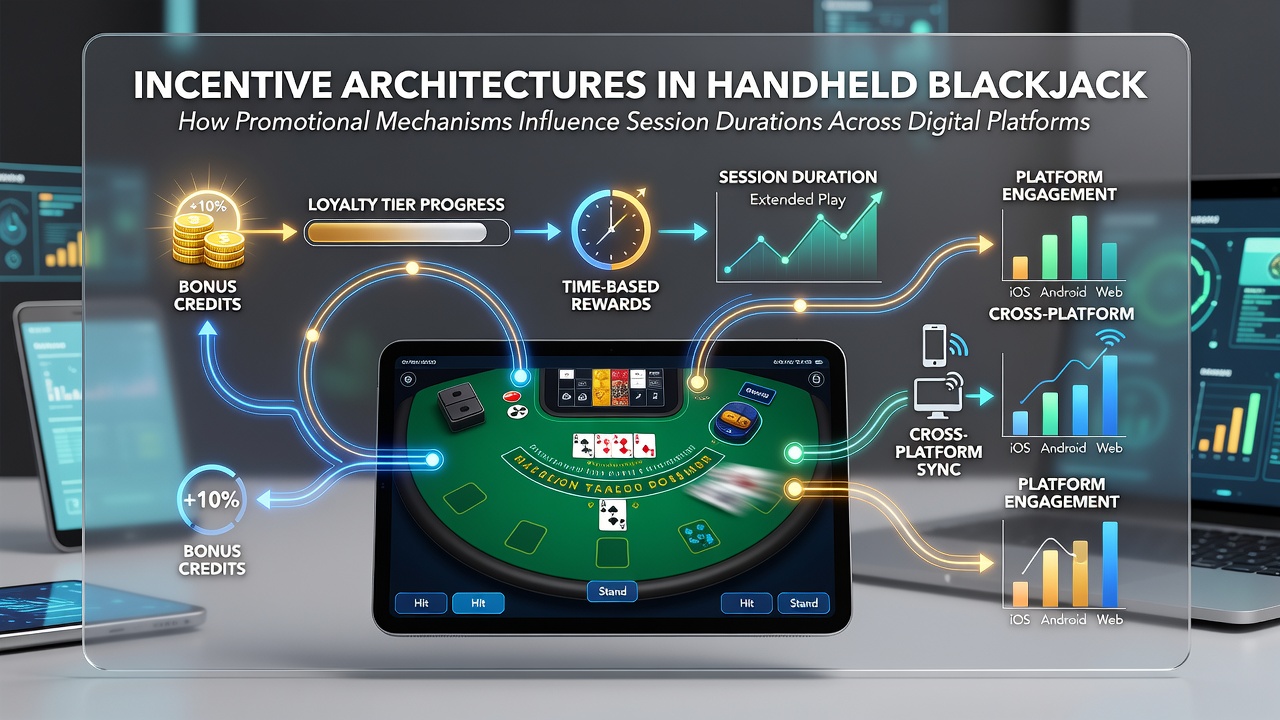
Digital platforms hosting handheld blackjack integrate layered incentive architectures that combine entry-level rewards with progressive engagement triggers, and these systems directly shape how long individual sessions last. Observers note that welcome bonuses, deposit multipliers, and loyalty point accumulations function as interconnected mechanisms rather than isolated offers, creating pathways that encourage continued play across multiple rounds.
Research from platform analytics indicates average session lengths extend when users activate time-sensitive rewards early in their interaction, while data collected across major operators shows correlations between point accrual rates and extended time spent at virtual tables. Those who've examined user behavior patterns across regions report that handheld formats, because of their constant accessibility, amplify these effects compared to desktop environments where play often occurs in more deliberate blocks.
Core Components of Modern Incentive Designs
Promotional structures in mobile blackjack typically include activation codes that unlock initial free play credits, followed by tiered loyalty systems that convert accumulated points into cashback or enhanced table limits. Experts have observed that when these elements connect sequentially, players tend to maintain sessions longer because each completed round advances progress toward the next threshold. Industry reports highlight how deposit match incentives, when paired with daily login streaks, produce measurable increases in session duration metrics tracked by operators.
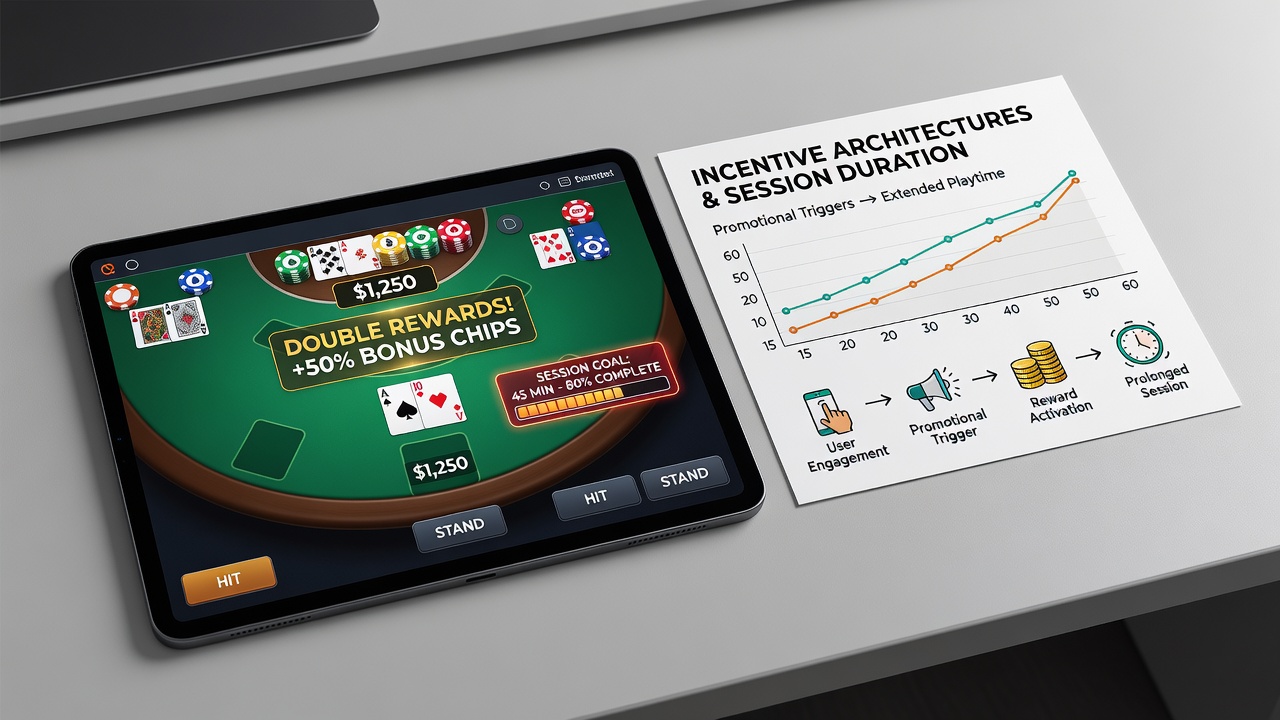
One study revealed that applications deploying progressive multipliers during peak evening hours recorded session extensions of fifteen to twenty-five percent among users who had already claimed entry rewards. Those structures often incorporate soft caps on reward redemptions, which encourage participants to continue playing rather than cash out immediately after meeting basic wagering requirements.
Platform-Specific Variations and Their Effects
Differences emerge between operating systems and app ecosystems, where iOS implementations sometimes enforce stricter payout verification steps that indirectly influence how long users remain engaged after claiming bonuses. Android platforms, by contrast, frequently integrate push notifications that remind players of expiring incentives, a tactic associated with resumed sessions and extended overall playtime. Data shows these notification-driven returns add incremental minutes to average durations without requiring new deposits in many documented cases.
Geographic regulatory frameworks also play a role. Figures released by the New Jersey Division of Gaming Enforcement demonstrate that licensed mobile operators maintain detailed logs of session lengths segmented by promotional type, allowing comparisons that link certain reward chains to sustained activity. Similar tracking occurs under iGaming Ontario guidelines, where compliance reports track player retention through incentive progression stages.
Behavioral Patterns Across User Segments
Segmented data indicates recreational players respond more strongly to immediate cashback offers that reduce perceived risk, resulting in longer sessions as they chase recovery of initial stakes. High-volume participants, however, show greater responsiveness to tier advancement systems that unlock exclusive table variants or reduced house edges, metrics that correlate with multi-hour engagement periods. Researchers have documented these distinctions through anonymized telemetry collected from thousands of active accounts.
What's significant is how certain architectures incorporate session timers that reset upon achieving specific milestones, effectively resetting fatigue points and prompting additional rounds. Such designs appear frequently in cross-platform titles where progress syncs between devices, allowing users to extend play without losing accumulated benefits.
Emerging Trends and Regulatory Context
Looking toward June 2026, several jurisdictions anticipate updated reporting standards for digital gaming promotions, which may require operators to disclose average session durations linked to specific incentive types. These forthcoming requirements build on existing transparency measures already in place in multiple markets and could influence how platforms refine their architectures to balance engagement goals with compliance expectations.
Academic examinations of reward sequencing continue to explore connections between bonus structures and play duration, with findings suggesting that tightly integrated systems produce more consistent extensions than standalone offers. Industry associations compile comparative datasets that help operators benchmark performance across different handheld blackjack environments.
Conclusion
Incentive architectures in handheld blackjack operate through interconnected promotional layers that demonstrably affect session durations on digital platforms. Evidence from regulatory bodies and platform analytics consistently shows measurable extensions when rewards progress logically from entry activation to sustained loyalty benefits. As frameworks evolve ahead of 2026 regulatory updates, the relationships between these mechanisms and user engagement patterns remain central to understanding mobile gaming ecosystems.