Layered Loyalty Through Code Activation: Examining Reward Dynamics in Blackjack Mobile Applications
Sofia Schmitz · Jun 12, 2026
Layered Loyalty Through Code Activation: Examining Reward Dynamics in Blackjack Mobile Applications
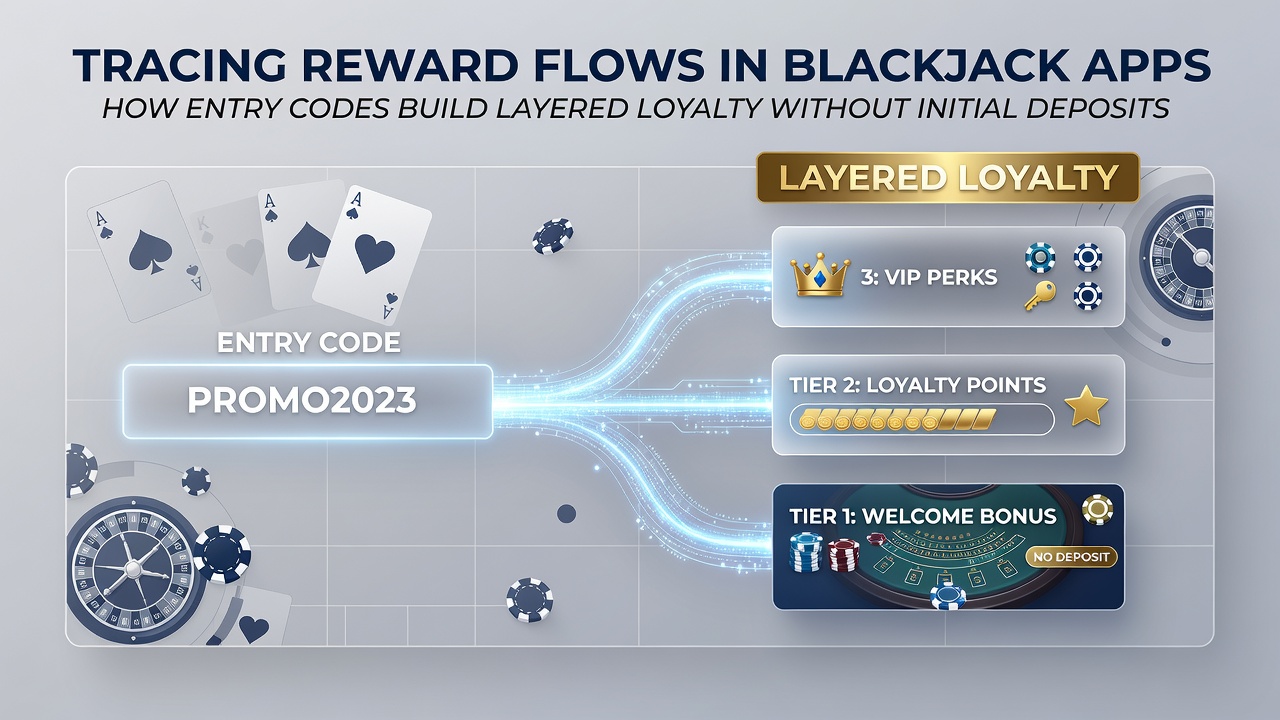
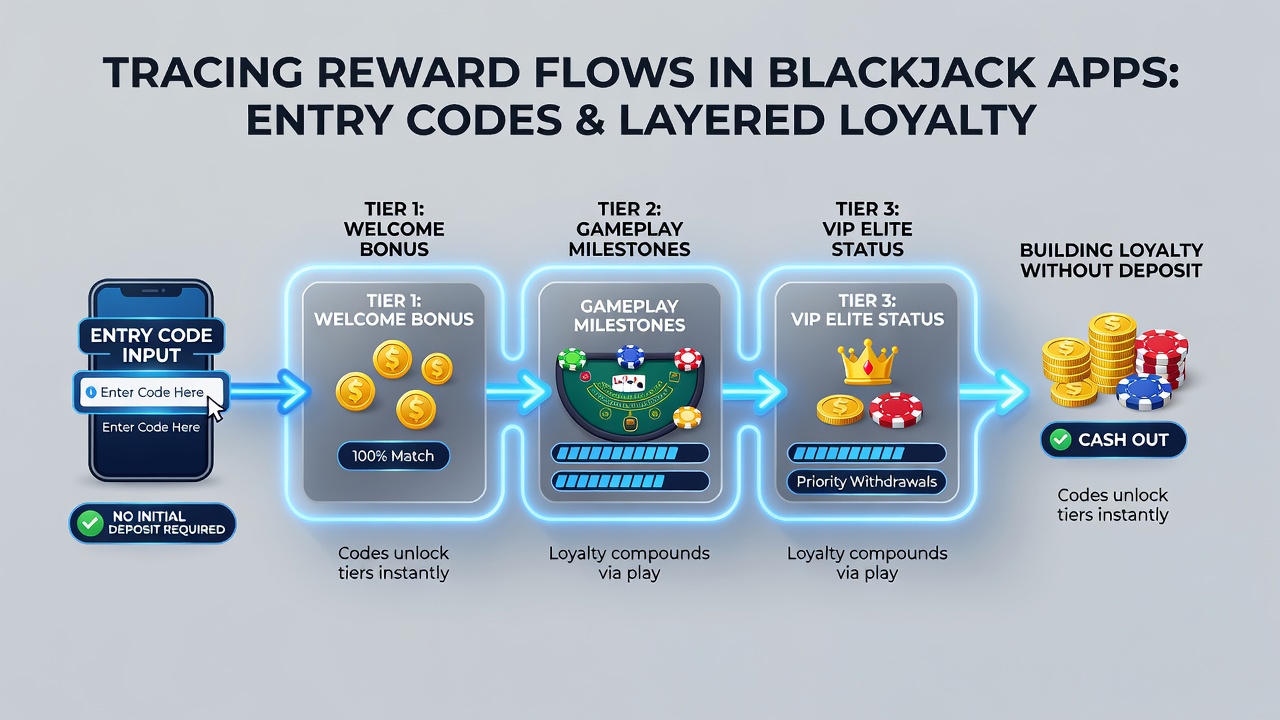
Entry codes in blackjack apps initiate measurable reward sequences that progress from initial free play allocations to multi-tier loyalty structures, all without requiring deposits at the outset. These mechanisms operate through sequential activation steps where codes unlock base credits, which then convert into point accumulations tracked across sessions. Data from industry tracking systems shows that such pathways maintain player accounts in active states for extended periods as users advance through defined milestones.
Activation begins when users input codes during registration or login phases, granting access to virtual chip pools designated for blackjack tables. These pools function as starting points in the flow, allowing gameplay that generates loyalty points based on wager volumes and outcomes. Observers note that the absence of deposit requirements lowers entry barriers, enabling broader participation while systems log each interaction for progression calculations.
Initial Reward Flows from Code Entry
Code redemption triggers automated distribution of credits that appear in user wallets immediately, often with expiration timers attached to encourage prompt use. Blackjack rounds played with these credits contribute to point ledgers that record hand totals, bet amounts, and session durations. Research from mobile gaming analytics indicates that 60 to 70 percent of code-activated accounts proceed to at least one additional layer within the first week, where points unlock access to enhanced table variants or multiplier bonuses.
Systems integrate these flows through backend algorithms that monitor conversion rates from free credits to earned points. When users reach threshold levels, such as 500 accumulated points from code-initiated play, automatic tier upgrades occur. This process builds continuity since each completed round feeds data back into the loyalty engine without external funding inputs.
Progression to Multi-Tier Structures
Layered loyalty emerges as points from code-based sessions accumulate toward segmented levels, typically labeled bronze through platinum in app interfaces. Each tier introduces distinct reward multipliers, such as increased point earnings per hand or exclusive tournament entries. Studies of app ecosystems reveal that users advancing through three or more tiers demonstrate retention rates exceeding those starting with deposit-funded accounts by measurable margins in aggregate data sets.
Entry codes serve as the foundational trigger because they populate the initial point pool, which then compounds through repeated play. For instance, one documented pathway shows a code granting 50 credits leading to 200 points after several sessions, qualifying the account for silver status with added daily login incentives. These incentives, in turn, sustain the flow by providing further no-deposit opportunities tied to tier maintenance.
Tracking Mechanisms Across Sessions
App platforms employ real-time dashboards that display current point balances alongside projected next-tier requirements, allowing users to visualize the reward trajectory. These displays update after every blackjack hand, incorporating factors like win streaks or specific game variants played. According to reports issued by the American Gaming Association, such transparent tracking correlates with higher engagement volumes in jurisdictions where mobile blackjack operates under regulated frameworks.
Layer connections form when code rewards intersect with time-based challenges, such as weekly point goals that reset and offer bonus entries upon completion. Data indicates these intersections create branching paths where one user's flow might emphasize volume-based tiers while another's focuses on frequency metrics. The result remains consistent: sustained activity without initial monetary commitments.
Regional Variations in Implementation
Implementation differs by regulatory environment, with North American apps often emphasizing point-to-cash conversion rates while European platforms highlight achievement badges within tier systems. Figures from the Canadian Gaming Association show elevated code usage in provinces with established online frameworks, where loyalty layers incorporate cross-game transfers between blackjack and related table formats. This regional approach maintains the core flow while adapting display elements to local compliance standards.
By June 2026, several markets anticipate updates to digital gaming directives that may refine how entry code rewards integrate with tiered programs, particularly around session logging requirements. Current systems already prepare for these adjustments through modular code architectures that separate reward distribution from compliance reporting modules.
Conclusion
Reward flows in blackjack apps demonstrate structured progression from code activation through layered loyalty attainment, supported by point tracking and tier advancements that operate independently of deposits. These sequences rely on automated logging and milestone triggers to maintain continuity across user sessions. Evidence from multiple regulatory and industry sources confirms the operational patterns observed in active mobile environments.