Mapping Incentive Progressions Across Mobile Blackjack Applications: Connecting Entry Codes to Sustained Reward Pathways
Sofia Reed · Jun 7, 2026
Mapping Incentive Progressions Across Mobile Blackjack Applications: Connecting Entry Codes to Sustained Reward Pathways
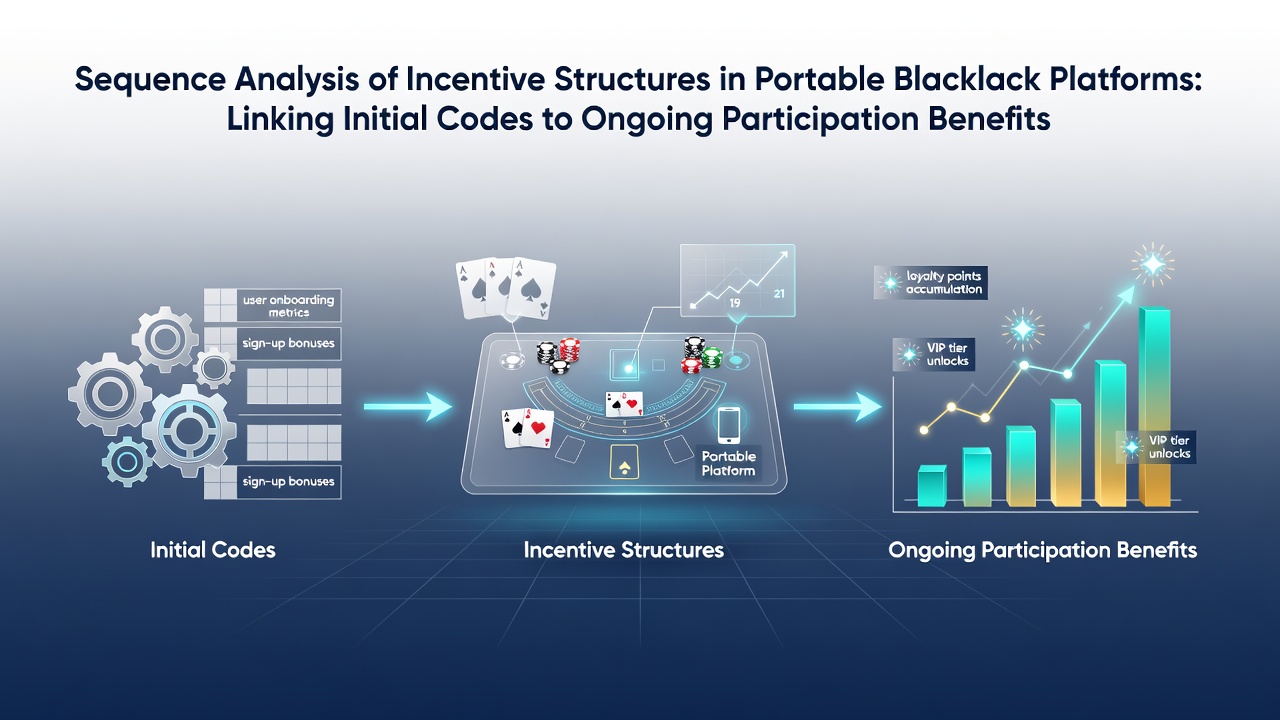
Sequence analysis of incentive structures in portable blackjack platforms examines how entry-level codes connect directly to extended participation rewards, creating measurable pathways that operators track through player data systems. Researchers apply these analytical methods to identify patterns where initial activations lead to repeated engagement cycles, with data indicating clear correlations between starting incentives and retention metrics over multiple sessions.
Core Components of Incentive Sequencing
Portable blackjack platforms organize incentives into sequential stages that begin with code-based entry points and progress toward tiered participation benefits. These stages typically include activation triggers, usage thresholds, and reward escalations, all monitored through backend analytics that log player actions in real time. Data from industry reports shows that such structured sequences maintain consistent progression rates when codes link explicitly to subsequent benefit tiers.
Operators design these sequences to align with user behavior patterns observed across smartphone ecosystems, where initial code redemptions serve as gateways to cumulative reward systems. According to studies conducted by the University of Nevada, Las Vegas gaming research division, sequences that incorporate progressive elements demonstrate higher continuation rates compared to isolated promotions.
Linking Initial Codes to Participation Continuity
Initial codes function as the starting nodes in incentive sequences, directing players toward ongoing benefits through predefined activation rules and tracking mechanisms. These codes often embed parameters that unlock layered rewards, such as point multipliers or access to exclusive tables, once participation thresholds are met. Observers note that effective linkages rely on transparent rule sets that guide users from one stage to the next without interruption.
Analyses of mobile platform data reveal that sequences incorporating time-bound code activations followed by sustained engagement markers produce measurable extensions in player sessions. For instance, codes that transition automatically into loyalty point accruals help maintain momentum across multiple logins. This progression model appears in various applications where regulatory frameworks in regions like Canada support structured incentive tracking.
Analytical Methods Applied to Sequence Data
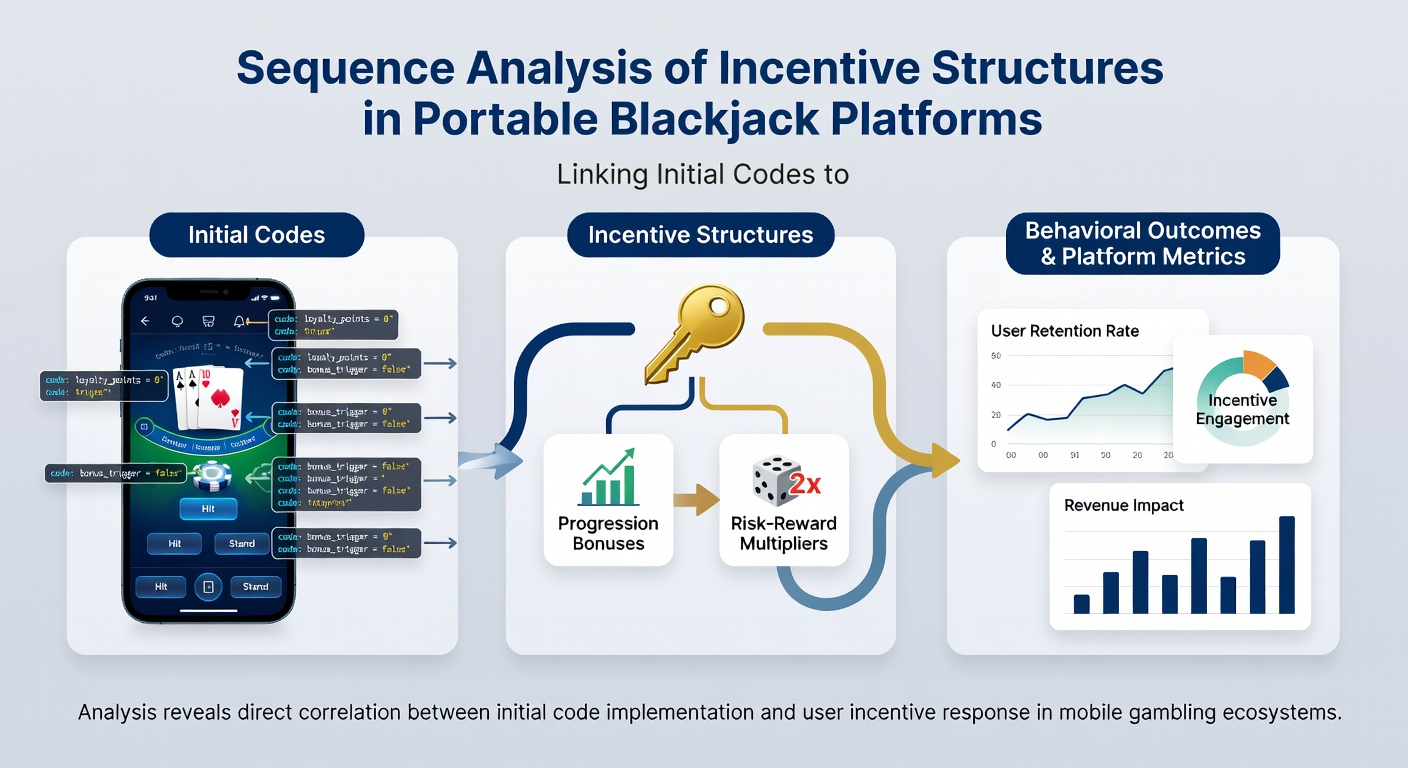
Researchers employ sequence mining techniques to map incentive flows, examining timestamped events from code entry through repeated participation milestones. These methods process large datasets to detect recurring patterns, such as the frequency of code redemptions leading to benefit upgrades within specific intervals. Evidence from academic papers indicates that Markov chain models effectively predict continuation probabilities when applied to blackjack platform logs.
Tools like process discovery software allow operators to visualize transitions between incentive stages, highlighting bottlenecks where players disengage before accessing ongoing rewards. Figures from the Canadian Gaming Association's annual reports illustrate how refined sequence designs correlate with improved retention statistics across mobile card game segments.
Regulatory Context and Platform Adjustments
Developments scheduled for June 2026 in several jurisdictions prompt operators to refine incentive sequences in anticipation of updated compliance requirements for mobile gaming. These adjustments focus on ensuring that code linkages to participation benefits meet transparency standards while preserving engagement pathways. Government agencies in Australia have released preliminary guidelines that emphasize verifiable progression tracking in digital card platforms.
Platforms respond by embedding audit-friendly logging into their sequence architectures, allowing external review of how initial codes feed into long-term reward structures. This approach aligns with broader industry shifts documented in reports from the European Gaming and Betting Association, where data transparency supports regulatory alignment without disrupting user flows.
Conclusion
Sequence analysis provides a structured lens for understanding connections between entry codes and sustained participation benefits in portable blackjack environments. By mapping these progressions through empirical methods, platforms and researchers identify functional pathways that support measurable engagement outcomes across diverse regulatory landscapes. Continued examination of these sequences offers insights into how incentive designs evolve alongside technological and compliance developments.