Navigating Tiered Reward Structures in Mobile Blackjack Ecosystems: Tracing Incentive Evolution from Onboarding Codes to Sustained Platform Loyalty
Jakob Butler · Jul 21, 2026
Navigating Tiered Reward Structures in Mobile Blackjack Ecosystems: Tracing Incentive Evolution from Onboarding Codes to Sustained Platform Loyalty
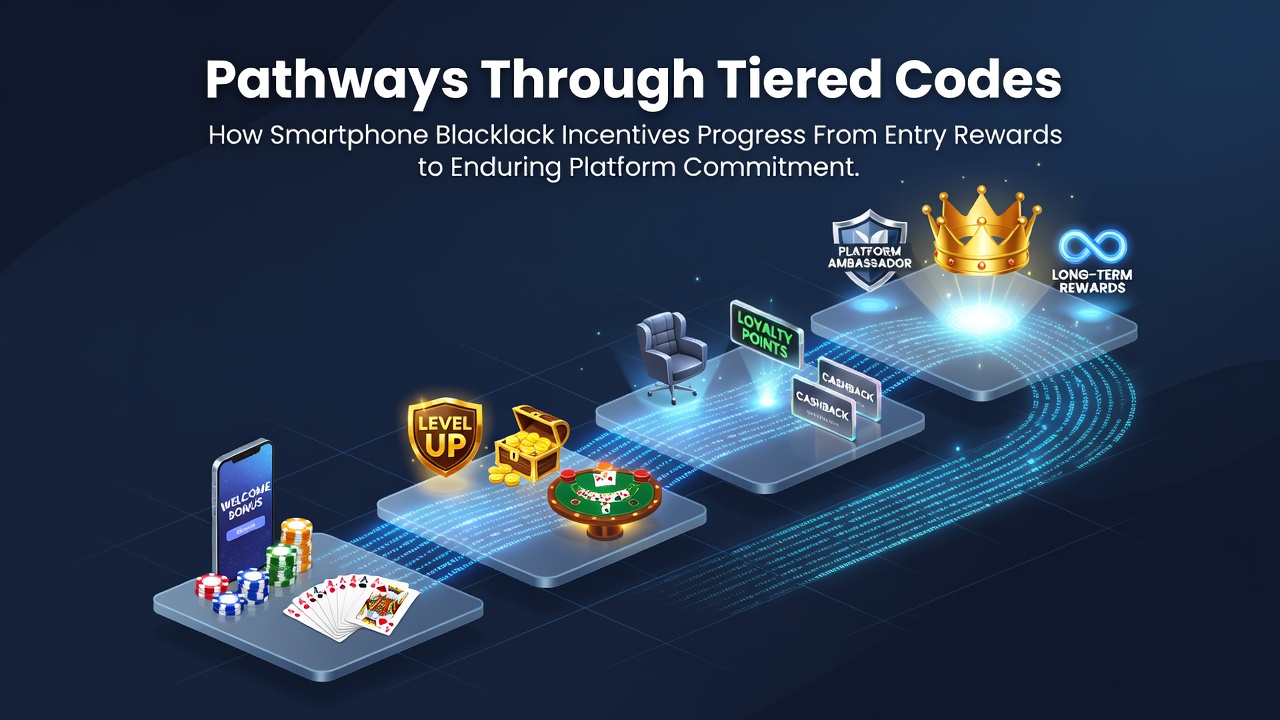
Smartphone blackjack applications employ structured code sequences that guide users from initial entry points toward extended platform involvement, with data from industry reports indicating these mechanisms operate across multiple geographic markets. Observers note that entry-level incentives often activate through unique alphanumeric sequences distributed via app stores or partner networks, and these codes unlock limited free play credits or matched deposits that establish baseline engagement metrics.
Research from the Australian Gambling Research Centre shows such systems typically segment rewards into progressive tiers based on accumulated activity points, where each tier unlocks additional code access for higher-value blackjack variants or extended session durations. Figures reveal that players advancing through initial tiers demonstrate measurable increases in login frequency, with patterns holding across both Android and iOS deployments.
Entry-Level Code Activation and Onboarding Flows
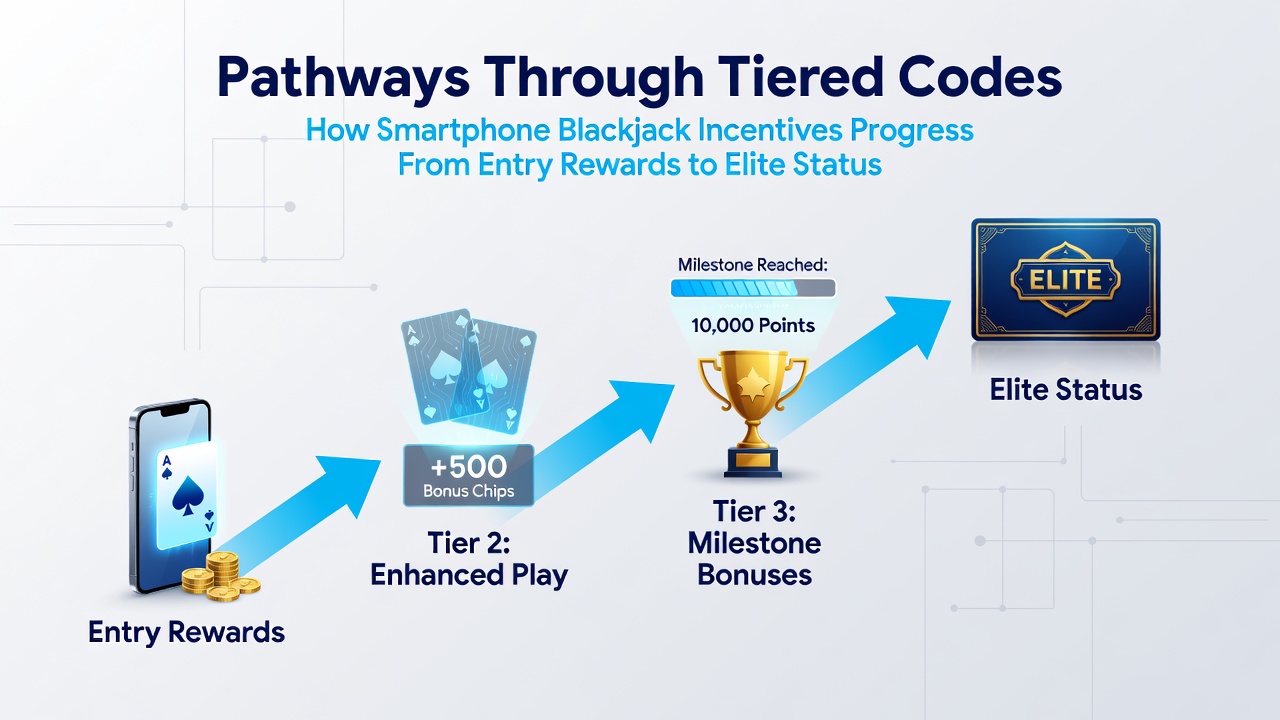
Entry rewards function through straightforward redemption protocols that require minimal verification steps, allowing immediate access to practice tables or low-stakes real-money rounds once the code processes. Those who study mobile gaming ecosystems find that these first codes frequently pair with tutorial sequences, introducing users to core blackjack rules while simultaneously logging behavioral data that informs subsequent tier assignments.
What's interesting is how providers calibrate code expiration windows, often setting them between 24 and 72 hours to encourage prompt activation, and this timing aligns with observed peaks in new account registrations reported by platform analytics firms. Data from Canadian provincial gaming regulators indicates that such short windows correlate with higher completion rates for initial deposit actions among users who complete the onboarding path.
Progression Mechanics Across Mid-Tier Thresholds
Mid-level tiers activate after users meet point thresholds derived from wagering volume or session count, at which stage new code sets become available through in-app notifications or email campaigns. These codes extend reward windows and introduce features such as cashback percentages on net losses or access to exclusive table variants with modified rule sets.
Studies published by the University of Nevada's gaming research division document that progression speed varies significantly by user segment, with some cohorts reaching mid-tiers within two weeks while others require several months. The systems track metrics including average bet size and game type preference, feeding these inputs into automated tier elevation algorithms that determine when upgraded codes deploy.
Advanced Tier Integration and Retention Pathways
Upper tiers incorporate personalized code sequences that reflect individual play histories, granting benefits such as priority access to high-limit rooms or reduced house-edge options during promotional periods. According to reports from the Nevada Gaming Control Board, operators adjust these advanced codes in response to aggregate player retention statistics collected across calendar quarters.
But here's the thing: integration with external loyalty programs sometimes occurs at these levels, allowing code redemptions to convert into cross-platform credits usable on affiliated slot or table titles. Observers note that this connectivity extends engagement beyond single-app environments, with data indicating sustained monthly activity rates increase when such linkages activate.
Regulatory Context and July 2026 Developments
Upcoming regulatory shifts scheduled for July 2026 in select jurisdictions will require enhanced transparency around code expiration policies and tier advancement criteria. These changes stem from ongoing legislative reviews that examine how incentive structures affect player behavior across mobile channels, prompting operators to refine disclosure language within app interfaces.
Industry associations in multiple regions have begun preparing compliance documentation that outlines how tiered systems will adapt, ensuring alignment with updated consumer protection standards without disrupting existing progression flows.
Conclusion
Tiered code pathways in smartphone blackjack environments demonstrate consistent structural patterns that link initial activation events to long-term platform metrics. Evidence from regulatory filings and academic analyses confirms these sequences operate through data-driven thresholds that adjust reward availability as engagement accumulates. Continued monitoring of these systems will track how they respond to both technological updates and forthcoming policy adjustments across different markets.