Pathways from Trial Codes to App Loyalty: Tracing How Entry Incentives Build Habitual Play in Handheld Blackjack Environments
Jakob Butler · Aug 21, 2026
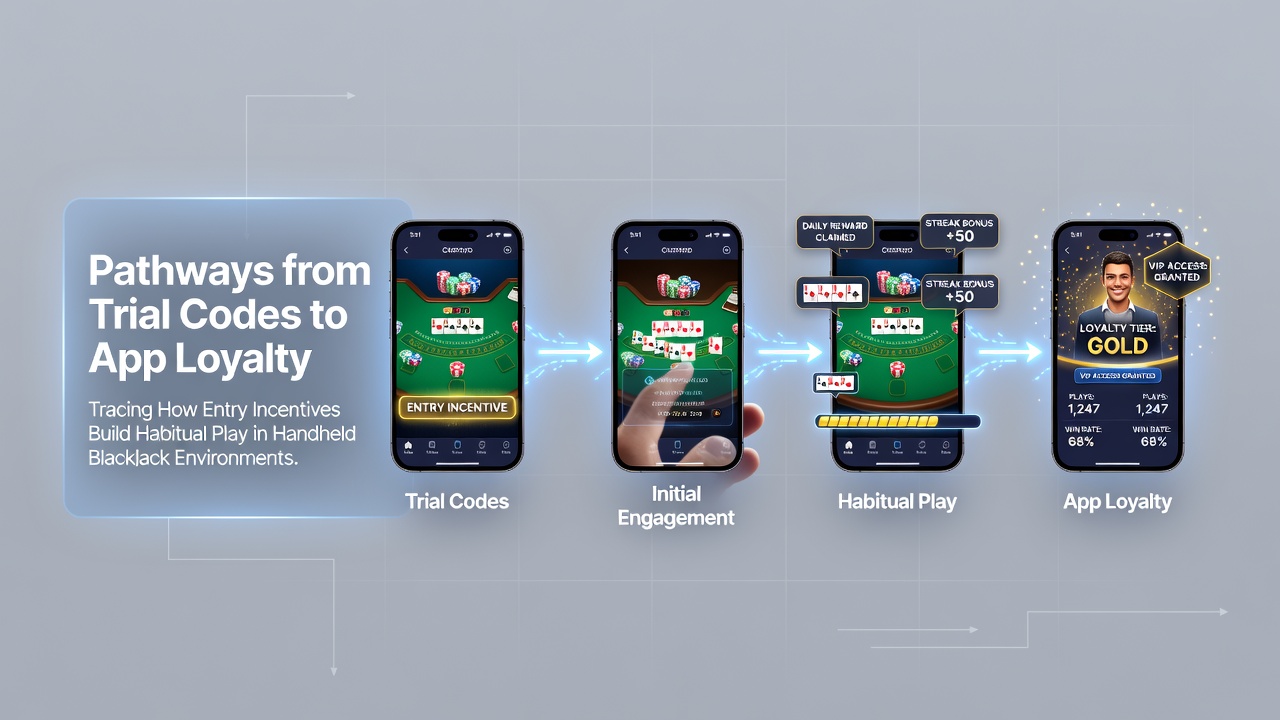
Pathways from Trial Codes to App Loyalty: Tracing How Entry Incentives Build Habitual Play in Handheld Blackjack Environments
Entry incentives in handheld blackjack environments function as structured gateways that convert initial trial access into repeated engagement patterns, and data from mobile gaming platforms indicates these mechanisms operate through sequenced reward deliveries that align with user behavior cycles. Trial codes typically grant limited free play rounds or matched deposits, which researchers tracking app analytics have observed lead to measurable increases in session frequency when users complete the activation process within the first 48 hours of download.
Mechanics of Trial Code Activation in Mobile Blackjack
Activation sequences begin when users input promotional codes during onboarding, and this step unlocks baseline play credits that mirror standard table minimums in digital formats. Studies of player progression data reveal that participants who redeem codes early demonstrate higher rates of advancing to paid sessions compared to those who bypass the incentive layer entirely. Handheld environments facilitate this transition through push notifications that remind users of remaining trial balances, while seamless wallet integrations allow instant conversion of promotional value into real-stakes rounds without exiting the application.
Geographic regulatory frameworks shape code distribution, with oversight from bodies such as the Nevada Gaming Control Board ensuring compliance in licensed mobile offerings. Observers note that code validity periods often span 7 to 30 days, during which users must meet minimum play thresholds to unlock subsequent reward tiers, and this structure encourages consistent logins across multiple days.
Progression from Initial Play to Habit Formation
Once trial credits deplete, many platforms route users into loyalty tracking systems that assign points for every hand played, and these points accumulate toward tiered status levels that unlock personalized incentives. Research indicates that players who engage with at least three trial sessions show elevated retention metrics over 90-day windows, particularly when the app employs adaptive difficulty settings that adjust table speeds to match individual pacing preferences. Handheld blackjack apps incorporate touch-optimized interfaces that reduce friction during rapid decision sequences, thereby supporting the shift from sporadic trial use to daily habitual access.
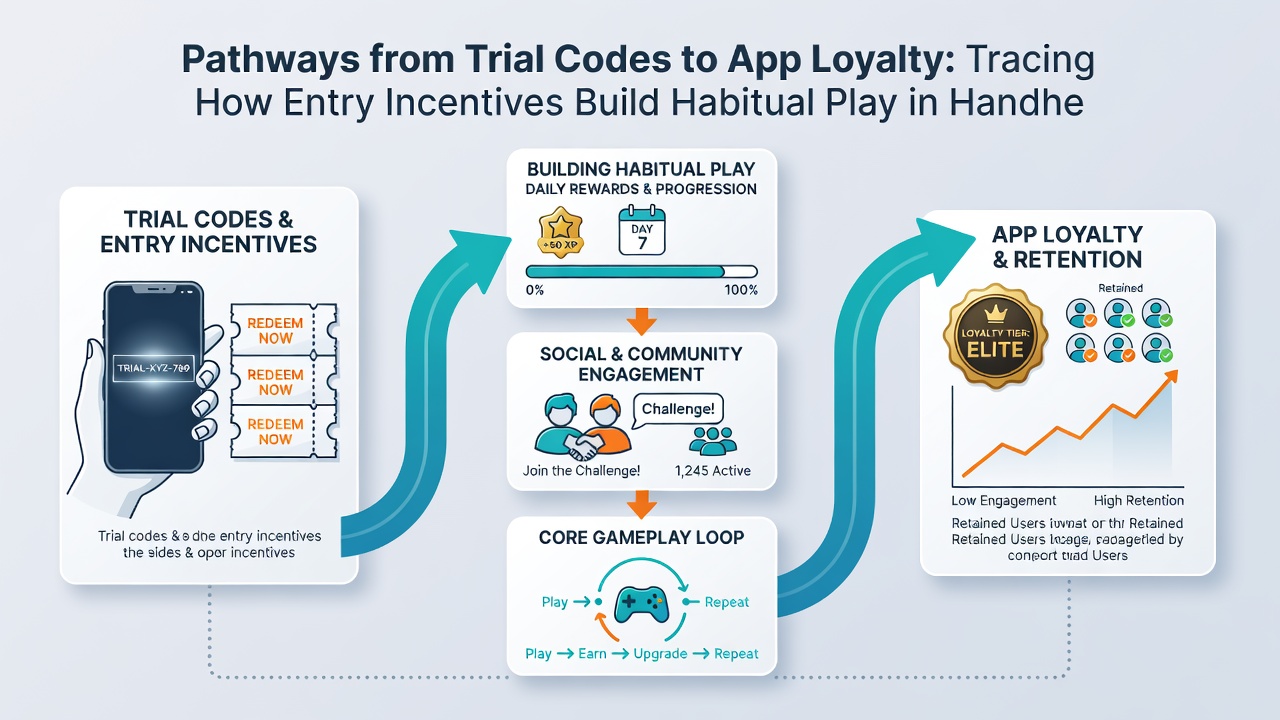
Case examples from platform operators illustrate how sequenced incentives operate: one user who started with a no-deposit code for 50 practice hands progressed to depositing after receiving a follow-up loyalty multiplier, while another maintained activity through weekly code refreshes tied to cumulative play volume. These patterns align with findings from academic examinations of digital gambling behavior, where entry-level rewards serve as anchors that establish routine interaction schedules.
Role of Data Tracking in Sustaining Engagement
App developers deploy telemetry systems that monitor hand completion rates, average bet sizes, and return visit intervals, then adjust subsequent code offerings based on these inputs to maintain momentum. Figures from industry reports show that personalized code delivery increases repeat session counts by directing users toward tables or variants they have previously favored. Regulatory updates scheduled for August 2026 in several jurisdictions will require enhanced transparency in how trial-to-paid transitions are disclosed, which may influence the design of these tracking loops while preserving core incentive structures.
External factors such as device compatibility updates and network stability further affect habit formation, since interruptions during active play can reset progress toward loyalty milestones. Those who have analyzed retention datasets note that cross-device synchronization features help mitigate such disruptions by preserving trial balances and point totals across phones and tablets.
Conclusion
Pathways from trial codes to sustained app loyalty in handheld blackjack environments rely on interconnected elements of code activation, progressive reward systems, and behavioral data utilization that collectively guide users from first interaction toward repeated participation. As mobile platforms continue to refine these sequences under evolving regulatory conditions, the documented patterns of engagement provide measurable indicators of how initial incentives translate into longer-term play habits across diverse user groups.