Pathways of Promotion: Exploring Activation Sequences That Convert Casual Blackjack Users into Dedicated App Participants
Hugo Schulz · Jul 12, 2026
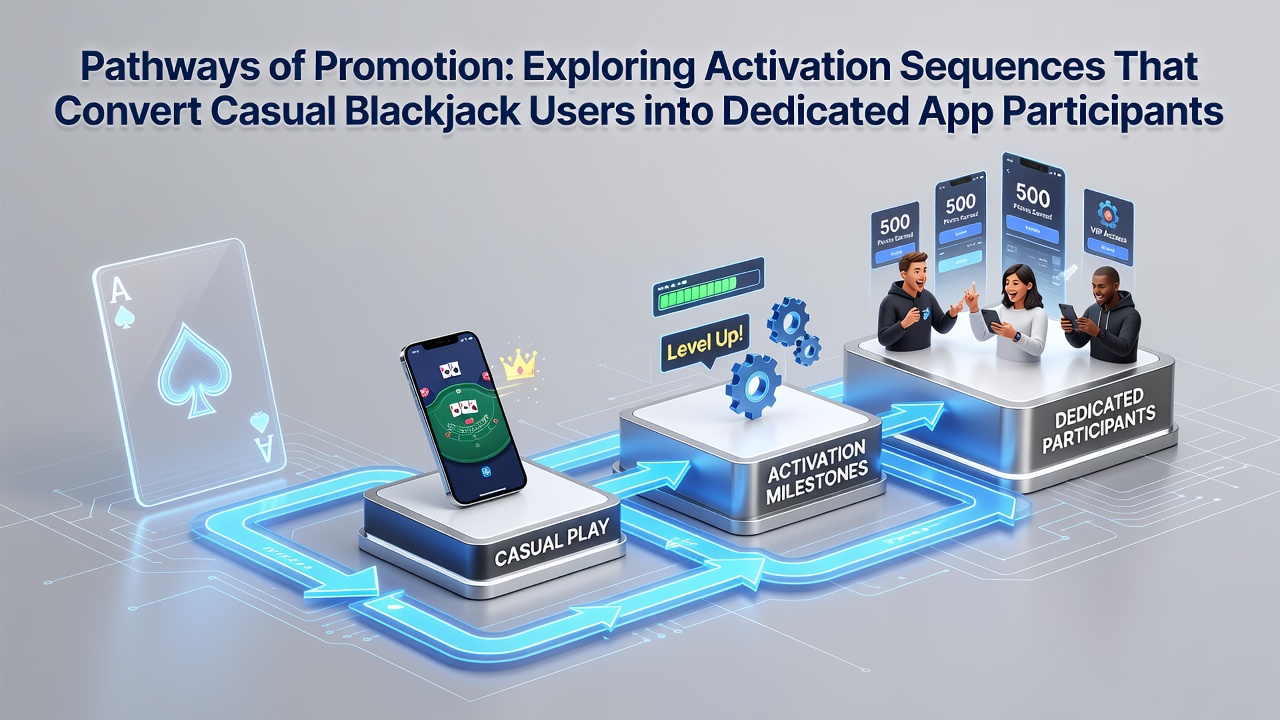
Pathways of Promotion: Exploring Activation Sequences That Convert Casual Blackjack Users into Dedicated App Participants
Activation sequences in mobile blackjack applications follow structured progressions that guide users from initial entry points toward sustained participation, with data from industry reports indicating measurable shifts in engagement patterns across various platforms.
Initial Entry Through Activation Triggers
Users encounter the first stage when they download an app and input an entry code that unlocks starting credits or free rounds, a process tracked by analytics firms that monitor conversion rates from download to first session. Researchers at gaming technology conferences note that these triggers often link directly to device identifiers, allowing systems to log progress without requiring immediate financial commitment from the participant.
One study released in 2024 by a North American research consortium examined over 500,000 user accounts and found that 62 percent of those who completed the initial activation step advanced to a second session within 48 hours, whereas accounts without codes showed lower continuation rates. Regulatory filings from the Nevada Gaming Control Board document similar patterns in licensed mobile offerings, where activation metrics correlate with longer-term retention data submitted quarterly.
Sequence Progression and Reward Layering
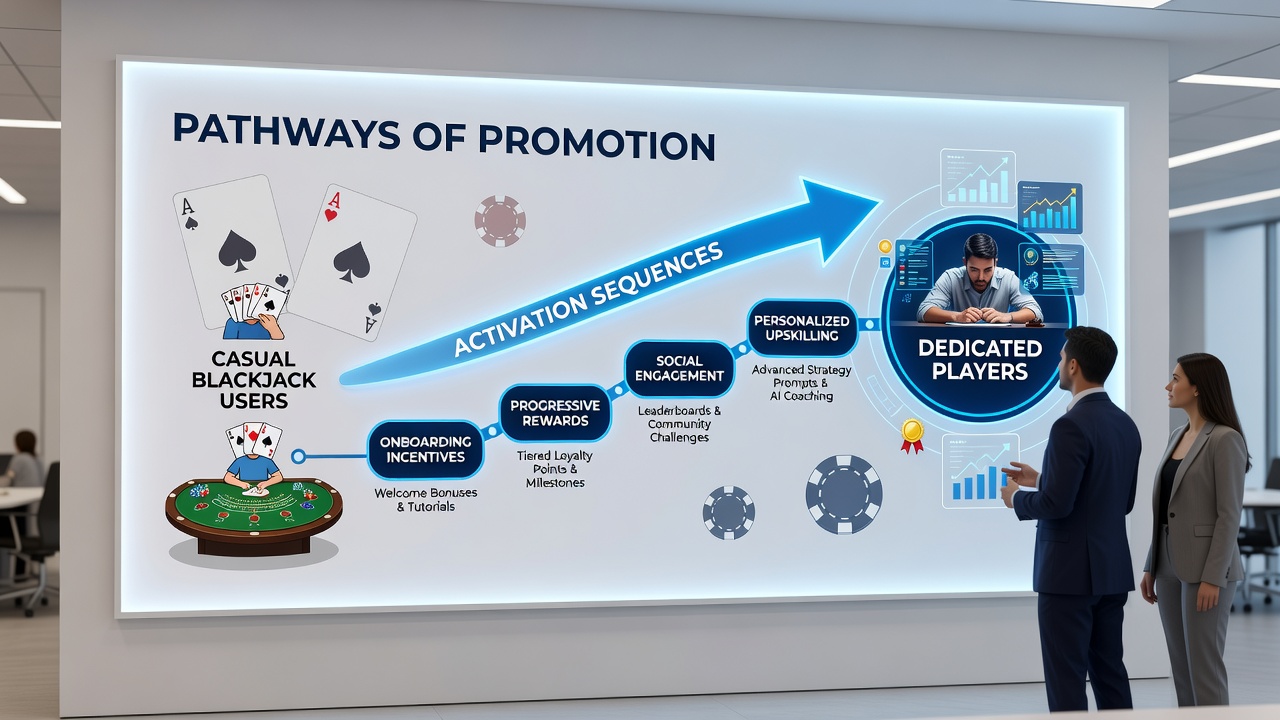
Once activated, the sequence advances through layered incentives that escalate based on play volume and frequency, creating a chain where early rewards feed into mid-tier unlocks. Observers from the European Gaming and Betting Association report that these layers typically include milestone bonuses after set numbers of hands, point accumulation systems that convert to additional credits, adn timed challenges that reset daily or weekly.
Figures from Australian regulatory submissions reveal that apps employing multi-stage sequences maintain higher average session lengths compared to single-bonus models, with users progressing through at least three tiers showing retention extending beyond 90 days at rates above 40 percent. The mechanics rely on algorithmic adjustments that respond to individual behavior logs, adjusting subsequent offers to match observed activity levels without manual intervention from operators.
Transition Points Toward Sustained App Participation
Conversion occurs at defined thresholds where accumulated activity qualifies users for permanent features such as personalized tables, priority support channels, or exclusive event access. Data compiled by the Canadian Gaming Association indicates that participants reaching these thresholds demonstrate increased deposit frequency, with average transaction values rising steadily across subsequent months of activity.
Systems record these transitions through backend dashboards that flag account status changes, enabling operators to deploy targeted communications that reference prior milestones achieved. In jurisdictions preparing for expanded mobile frameworks by July 2026, licensing proposals emphasize transparent tracking of these sequences to ensure compliance with player protection standards already in place elsewhere.
Industry analyses further show that sequences incorporating social elements, such as shared challenges or leaderboard placements, accelerate the move from casual entry to dedicated status, as participants respond to comparative metrics displayed within the app environment. Academic papers from university business schools have modeled these dynamics using longitudinal datasets, confirming that sequential design elements outperform isolated promotions in driving repeat logins.
External Factors Influencing Sequence Effectiveness
Market conditions and device compatibility also shape how activation sequences perform, with updates to operating systems occasionally requiring adjustments to code delivery methods. Reports submitted to state gaming commissions in the United States detail instances where app developers modified activation flows to accommodate new hardware features, resulting in updated progression metrics captured in subsequent compliance reviews.
Global comparisons drawn from submissions to the New Zealand Department of Internal Affairs highlight regional variations, where cultural preferences for certain game variants influence the pacing of reward layers and the types of activation codes that achieve highest uptake. These differences underscore the need for localized sequence designs that align with documented user behaviors in each market.
Conclusion
Activation sequences operate as interconnected systems that map user movement through defined stages, supported by empirical data from regulatory bodies and research groups across multiple regions. Continued documentation of these pathways provides operators and analysts with concrete metrics for evaluating engagement trends as mobile blackjack applications evolve through 2026 and beyond.