Payment Verification Protocols Shaping Blackjack Incentive Structures on Varied Gaming Platforms
Hugo Schulz · Jul 31, 2026
Payment Verification Protocols Shaping Blackjack Incentive Structures on Varied Gaming Platforms
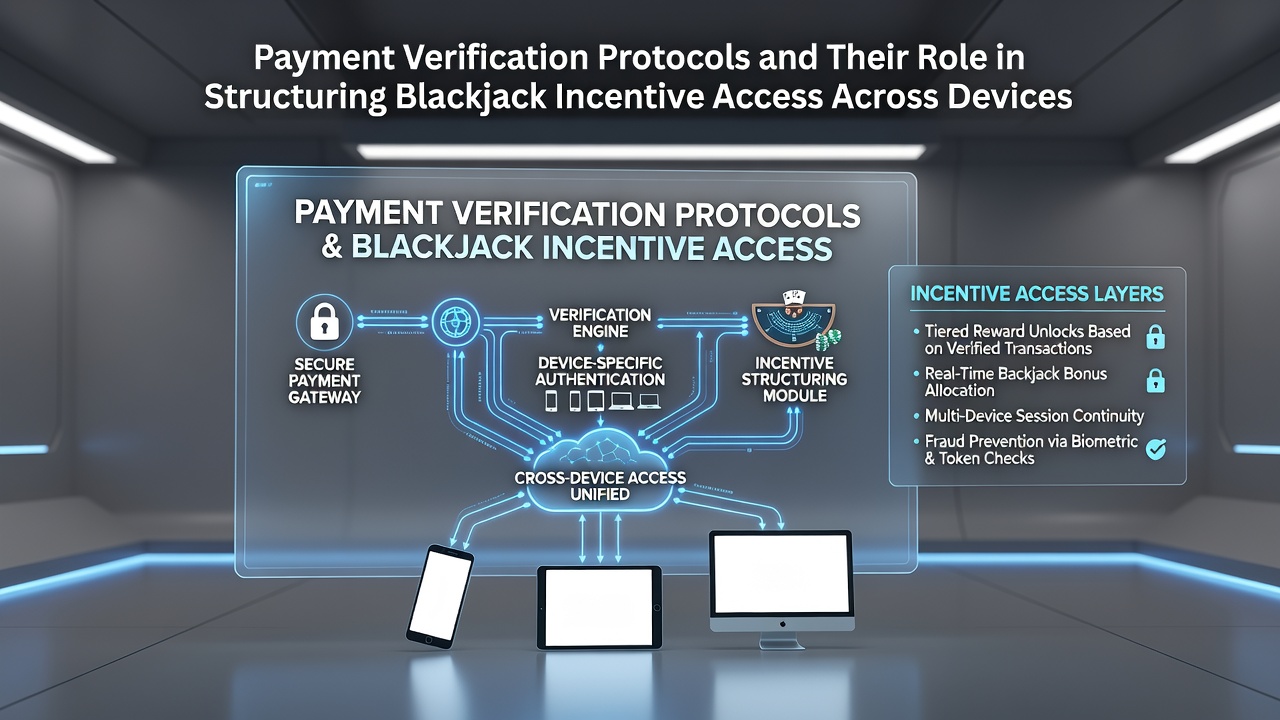
Payment verification protocols function as structured systems that confirm player identities and transaction details before granting access to blackjack incentives, and these protocols operate uniformly across smartphones, tablets, and desktop environments. Data from industry reports indicates that verification layers reduce unauthorized bonus claims while maintaining consistent reward eligibility regardless of device type. Observers note that casinos integrate these protocols to align incentive distribution with regulatory requirements set by bodies such as the Nevada Gaming Control Board and the Australian Communications and Media Authority.
Core Components of Payment Verification Protocols
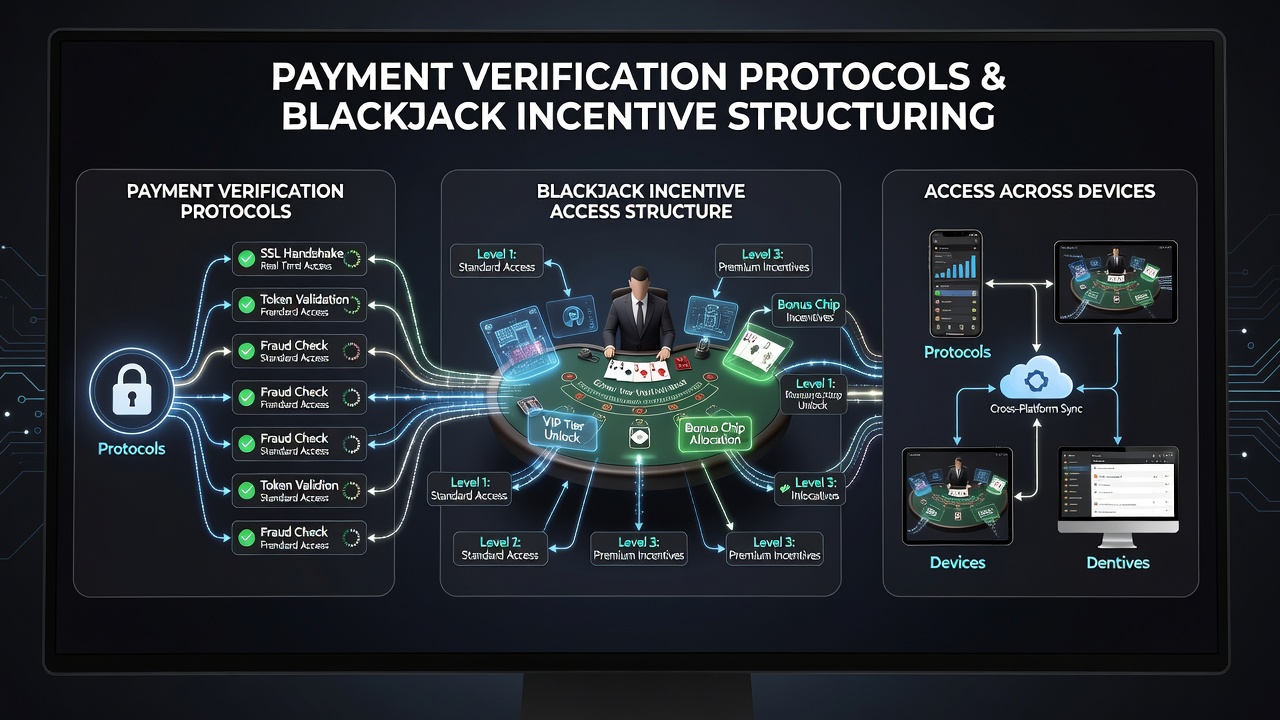
Verification begins with account registration where users submit identification documents and payment method details, after which automated systems cross-check information against financial records and identity databases. These checks include address confirmation, card validation, and sometimes biometric data collection, while protocols extend the same requirements to mobile applications and web-based platforms. Researchers at academic institutions studying digital gaming ecosystems have documented that unified verification standards prevent duplicate accounts and ensure incentives remain device-agnostic.
Once initial verification completes, ongoing transaction monitoring tracks deposits and withdrawals, and this monitoring applies equally to in-app purchases on mobile devices and browser-based sessions on desktops. Studies reveal that protocols flag discrepancies such as mismatched billing addresses or rapid device switches, thereby structuring incentive access so that bonuses activate only after full compliance.
Structuring Incentive Access Through Verification Layers
Blackjack incentives such as deposit matches or free play credits become available only after payment verification confirms the funding source, and this sequence applies consistently whether players access games via Android apps, iOS interfaces, or desktop clients. Verification systems categorize players into tiers based on verified transaction history, which then determines the scale of available rewards across all devices. Those who have examined casino operations report that such tiered access prevents premature bonus activation and maintains fairness in multi-platform environments.
Protocols also enforce device fingerprinting techniques that link verified accounts to specific hardware signatures, while allowing seamless transitions between devices once verification succeeds. This approach ensures that a player who completes verification on a desktop can immediately claim mobile-specific blackjack incentives without repeating full identity checks. Figures from gaming research papers show that these mechanisms support higher retention rates by removing friction in cross-device play.
Cross-Device Implementation and Regulatory Context
Casino platforms deploy API-based verification services that sync data across operating systems, and this synchronization allows incentive eligibility to follow the player rather than the device. In practice, a verified payment on one platform updates the account profile so that blackjack rewards appear identically on another platform. Reports from the European Gaming and Betting Association highlight that standardized protocols help operators meet compliance obligations while supporting player mobility between devices.
Updates scheduled for July 2026 in several jurisdictions will require enhanced real-time verification for cross-border transactions, and these changes will further standardize how blackjack incentives activate on mobile versus desktop systems. Industry observers note that operators are already testing updated protocols to accommodate these forthcoming requirements without disrupting existing player journeys.
Technical Mechanisms Supporting Incentive Structuring
Encryption standards protect transmitted verification data, while tokenization replaces sensitive card details with unique identifiers that function across all access points. These technical features ensure that incentive codes tied to verified payments remain valid whether redeemed through an app or a browser session. Research indicates that such measures reduce fraud incidents and allow casinos to allocate rewards based on verified activity rather than device origin.
Device compatibility testing forms another layer, where protocols confirm that verified accounts can access blackjack tables and associated bonuses on both high-end and older hardware. This testing prevents situations where mobile users face restricted incentive options compared with desktop users, and it maintains equitable access across the player base.
Conclusion
Payment verification protocols establish clear pathways for blackjack incentive access by confirming player credentials and transaction integrity before rewards activate, and these protocols maintain consistency across mobile, tablet, and desktop platforms. Data from regulatory and academic sources demonstrates that the systems support compliance, reduce misuse, and enable seamless device transitions. As verification standards evolve through 2026, operators continue to refine these mechanisms to align incentive structures with both security requirements and player expectations in multi-platform environments.