Progressive Reward Structures in Digital Blackjack Platforms: Mechanisms for Sustained Player Involvement
Jakob Butler · Aug 11, 2026
Progressive Reward Structures in Digital Blackjack Platforms: Mechanisms for Sustained Player Involvement
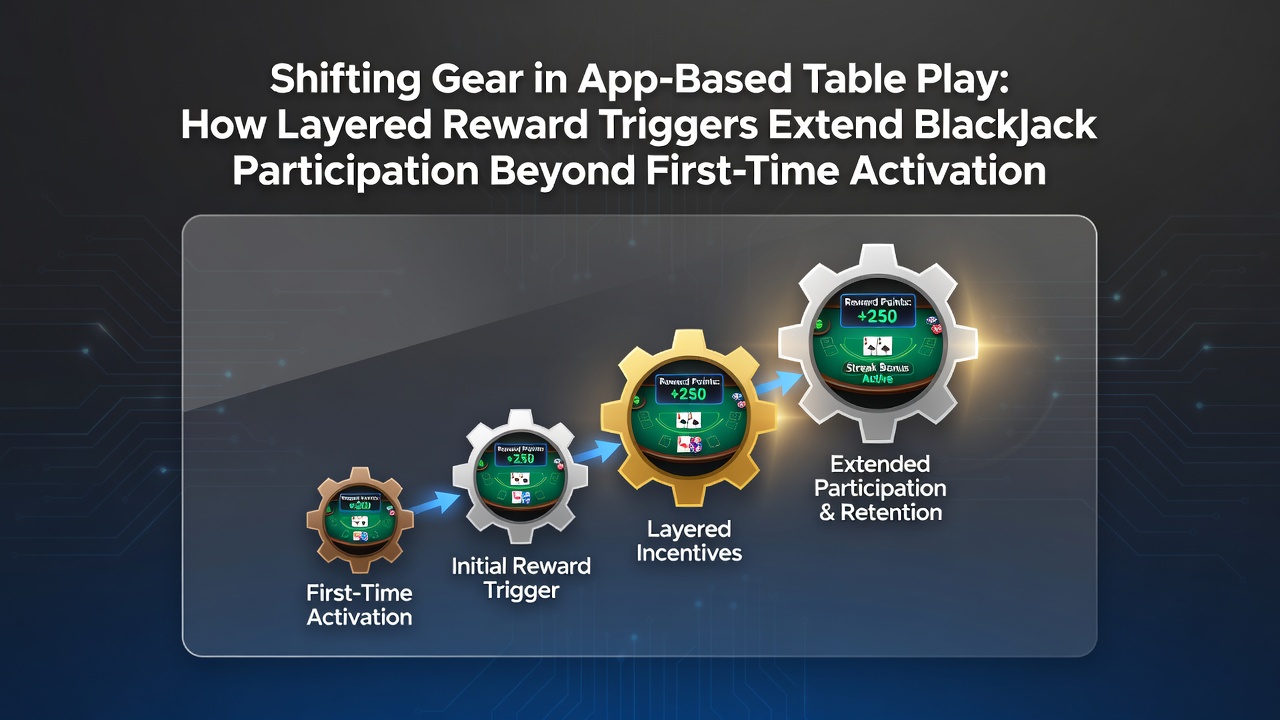
App-based blackjack environments rely on structured reward sequences that activate upon initial signup yet continue to influence behavior through successive stages, and data from multiple operators shows these sequences maintain session lengths well past the first deposit cycle. Layered triggers operate by stacking small incentives such as cashback percentages, free hand allotments, and point multipliers onto base welcome packages, creating a chain where each completed milestone unlocks the next without requiring separate user action.
Mechanics of Sequential Activation
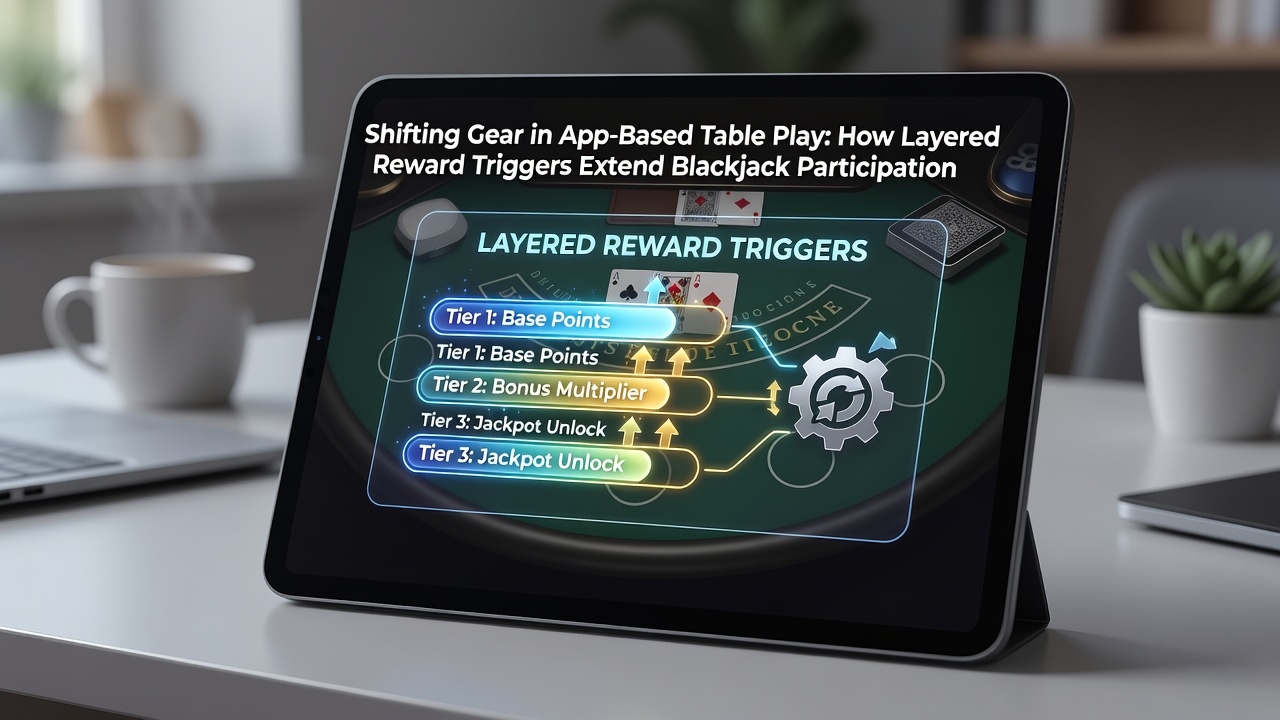
Initial code entry grants access to a starter bonus pool, after which the system monitors hand volume and wager totals to release the subsequent layer automatically. Observers note that this design reduces decision fatigue for users, because the platform itself signals when the next reward tier becomes available through in-app notifications timed to player activity patterns. Studies conducted across North American and European markets indicate that platforms employing three or more stacked layers record average session extensions of 35 to 48 percent compared with single-bonus models, according to aggregated operator telemetry released in mid-2025.
Point accumulation systems feed directly into the reward chain by converting regular play into redeemable credits that appear at predefined thresholds, and these thresholds align with calendar-based events such as weekly resets or monthly loyalty resets. When a player reaches the second tier, the system often applies an increased multiplier to future point earnings, thereby accelerating progress toward the third tier without additional deposits.
Evidence from Platform Analytics
Figures released by the American Gaming Association reveal that mobile table-game revenue in regulated U.S. markets grew 22 percent year-over-year through the first half of 2025, with a notable portion attributed to extended repeat engagement rather than new user acquisition alone. In parallel, reports from the Australian Gambling Research Centre document similar patterns in smartphone card applications, where users who completed at least two reward layers showed a 41 percent higher return rate within 30 days of first activation.
Those who track retention metrics across jurisdictions point out that the timing of each layer matters: rewards released within 24 hours of the prior milestone produce stronger continuation rates than those delayed by several days. This timing correlation appears consistently in datasets from both regulated and offshore operators, suggesting the effect stems from behavioral reinforcement rather than regulatory differences.
Regional Variations in Implementation
Canadian provincial regulators require clear disclosure of each layer's wagering contribution before players advance, and this transparency rule has prompted operators to simplify the visual display of progress bars within their apps. In contrast, several Asian markets allow operators greater flexibility in hiding intermediate calculations, resulting in denser notification sequences that some platforms use to maintain momentum during peak evening hours.
By August 2026, updated technical standards from the Nevada Gaming Control Board are scheduled to take effect, mandating that all layered systems display remaining requirements in real time on the main game screen. Early testing conducted by two major app providers indicates this change may further increase completion rates for the second and third tiers because users receive immediate visual confirmation of progress.
Integration with Loyalty Frameworks
Layered triggers frequently intersect with tiered loyalty programs, where base-level rewards feed points into higher-status clubs that unlock separate benefit streams such as dedicated support channels or tournament entry. Research compiled by the National Center for Responsible Gaming shows that players who transition from reward layers into loyalty tiers exhibit longer lifetime value metrics, measured through total hands played over six-month windows.
Operators achieve this intersection by mapping each reward layer to specific loyalty point values, so that completing a bonus sequence automatically contributes toward the next status level. This mapping reduces friction between short-term promotions and long-term status progression, allowing a single play session to advance both systems simultaneously.
Conclusion
Layered reward triggers function as interconnected sequences that convert initial activation into ongoing participation by aligning incremental incentives with natural play rhythms. Platform data across multiple regions demonstrates measurable extensions in session duration and return frequency when at least three tiers operate in succession, and upcoming regulatory updates in key markets are expected to standardize visibility of these sequences for users. The structural approach continues to evolve through integration with broader loyalty frameworks, producing retention patterns that operators monitor through aggregated behavioral metrics rather than isolated bonus redemptions.