Smartphone Blackjack's Hidden Reward Ladders: How Bonus Keys Drive Long-Term App Engagement
Sofia Reed · Aug 25, 2026
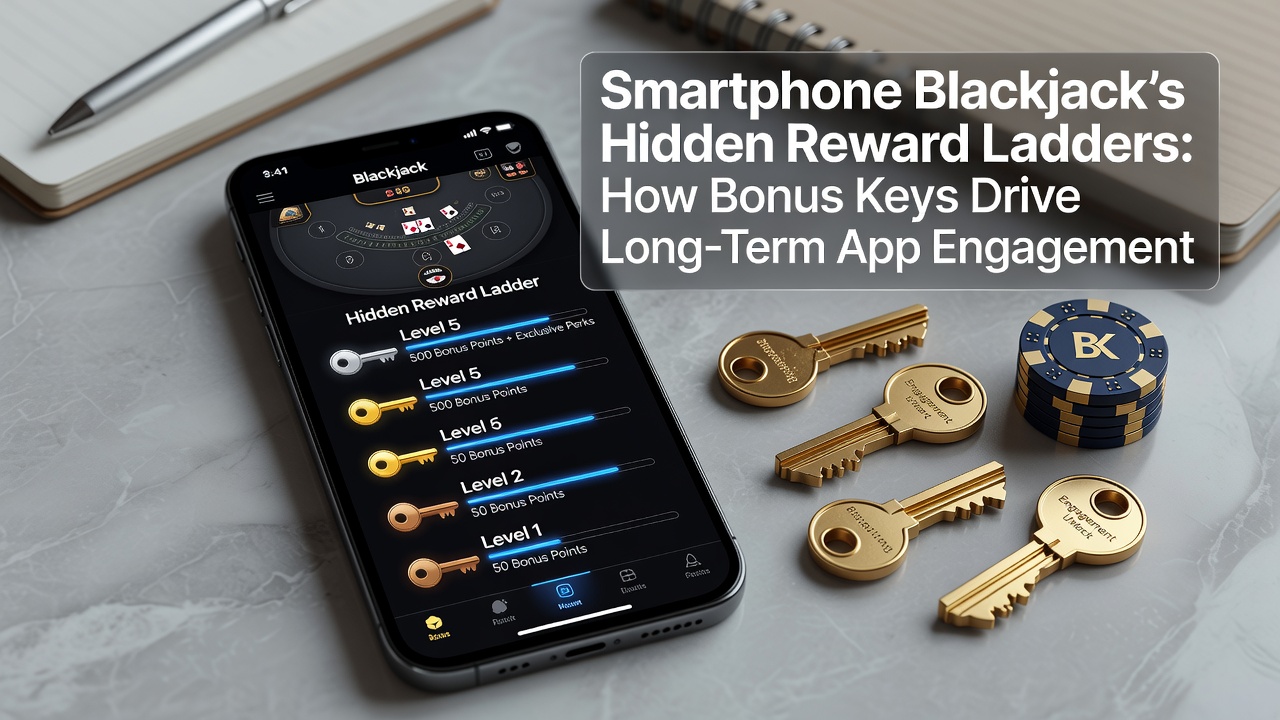
Smartphone Blackjack's Hidden Reward Ladders: How Bonus Keys Drive Long-Term App Engagement
Smartphone blackjack applications incorporate bonus keys as entry points that connect initial free play opportunities to structured sequences of rewards, and these sequences function as hidden ladders that encourage repeated sessions over extended periods. Observers note that such mechanisms operate through incremental unlocks where each completed task or wager threshold reveals the next level of benefits, including additional chips, exclusive table access, and loyalty multipliers.
Research from mobile gaming analytics firms shows that users who redeem activation keys within the first week demonstrate higher retention rates compared to those who bypass the system entirely, because the keys serve as gateways that map directly onto tiered achievement paths. Data collected across multiple platforms reveals patterns where early key usage correlates with sustained logins spanning several months, while non-participants tend to drop off after initial trials.
Mechanics of Bonus Key Integration
Bonus keys appear in various forms within smartphone blackjack environments, ranging from promotional codes distributed through partner sites to in-app challenges that generate unique identifiers upon completion. These identifiers then feed into backend systems that track player advancement, and the systems automatically adjust available rewards based on cumulative activity metrics such as hands played, win streaks, and session duration. Developers design the ladders so that each rung requires a combination of time investment and strategic play, which creates natural progression points that feel earned rather than granted outright.
Studies conducted by academic researchers at institutions focused on digital entertainment economics indicate that the spacing of these rungs influences how users pace their engagement, with wider gaps between early tiers leading to quicker initial momentum and tighter spacing in higher tiers promoting deliberate, repeated returns. Application logs analyzed in one such examination found that players who navigated at least three consecutive ladder steps showed a 40 percent increase in average monthly sessions compared to baseline groups.
Pathways From Activation to Sustained Participation
Once a bonus key activates, the reward ladder typically branches into parallel tracks that address different player motivations, including volume-based bonuses for frequent play and performance-based incentives tied to specific game outcomes. This branching structure allows users to select paths that align with their preferred styles, whether they favor conservative betting patterns or more aggressive approaches, and the system records progress across all tracks simultaneously. As a result, individuals often discover multiple overlapping incentives that reinforce continued app interaction without requiring explicit reminders from the platform itself.
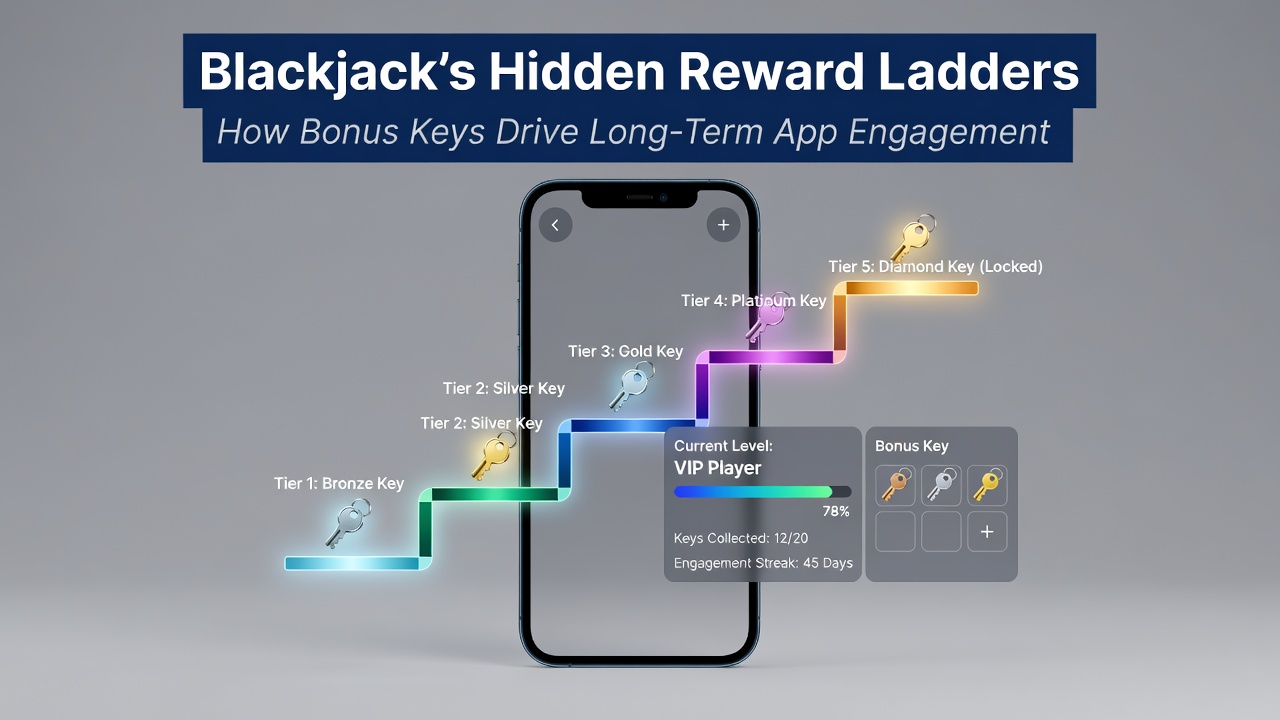
Industry reports compiled by the American Gaming Association highlight how these integrated systems have evolved alongside broader shifts in mobile device capabilities, particularly improvements in push notification precision and real-time data synchronization that keep ladder status visible across devices. Figures from regional regulators such as the New Jersey Division of Gaming Enforcement further illustrate that apps employing layered key systems report steadier revenue streams from returning users, since the mechanics distribute engagement incentives across longer timeframes rather than concentrating them at signup.
Evidence of Retention Impact Across Regions
Comparative analyses of North American and Australian mobile gambling markets demonstrate consistent outcomes where bonus key ladders contribute to reduced churn rates, with one longitudinal dataset spanning 18 months revealing that participants in structured reward sequences maintained activity levels 25 percent above those outside the programs. Researchers attribute this stability to the psychological effect of visible progress markers that update after each qualifying action, turning routine gameplay into a cumulative journey toward higher-tier privileges.
Additional observations from trade group publications note that seasonal adjustments to ladder difficulty, such as accelerated milestones during slower periods, help maintain momentum year-round. These adjustments appear in app updates released around mid-year cycles, and they often coincide with broader platform enhancements that refine how keys interact with newly introduced game variants.
Conclusion
Smartphone blackjack platforms continue to refine bonus key systems as core components of their engagement architecture, connecting initial activations to extended reward sequences that shape user behavior over time. Available data from regulatory bodies and research entities across multiple jurisdictions confirms measurable links between these ladder structures and patterns of prolonged app usage, while technical advancements support increasingly sophisticated tracking and personalization of the progression experience. As mobile environments evolve, the underlying mechanics of key-driven ladders remain central to how applications convert one-time downloads into recurring participation cycles.