The Ripple Effects of Activation Sequences: How Blackjack Promo Mechanics Guide Mobile Players Through Reward Tiers and Retention Loops
Bianca Weber · Aug 25, 2026

The Ripple Effects of Activation Sequences: How Blackjack Promo Mechanics Guide Mobile Players Through Reward Tiers and Retention Loops
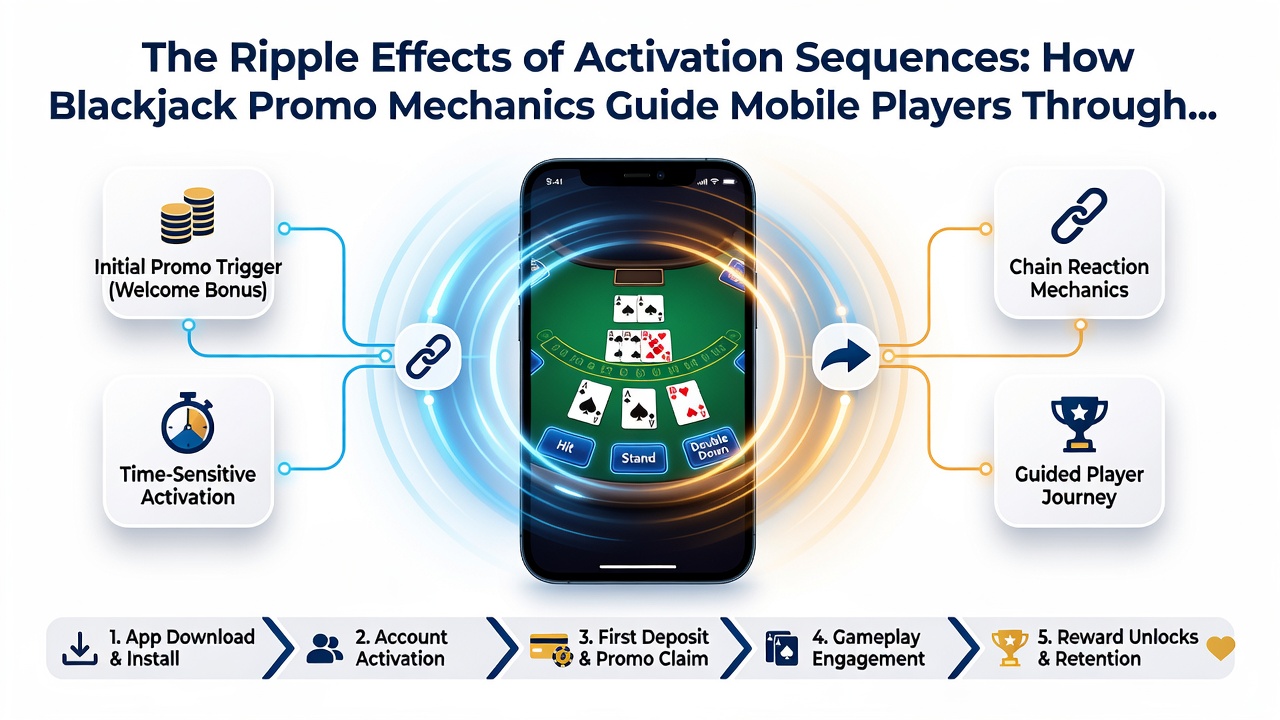
Activation sequences in mobile blackjack promotions operate as structured entry points that convert initial player sign-ups into sustained platform engagement, and these sequences typically begin with no-deposit codes that unlock free play credits while simultaneously registering user data for tier advancement tracking. Research from industry reports indicates that such sequences reduce early churn rates by guiding participants through incremental reward milestones, and data from multiple platform analytics firms shows completion rates for first-tier activations averaging above 60 percent in regulated markets during 2025.
Once players enter these sequences, promo mechanics layer additional triggers that escalate involvement, for instance by requiring a minimum number of hands or specific wager thresholds before releasing the next credit batch, and this progression maps directly onto loyalty point accumulation systems used by major operators. Observers note that the design creates visible feedback loops where each completed activation advances a visible progress bar toward silver or gold status, and studies conducted by university research groups confirm that visual tier indicators increase session frequency by 25 to 35 percent compared with flat bonus structures.
Sequence Design and Tier Navigation
Blackjack promo sequences usually follow a three-stage pattern that begins with immediate access, moves through verification and deposit encouragement, and concludes with tier-specific multipliers, yet the mechanics vary across operators in how quickly they introduce higher-stakes requirements. According to figures released by the European Gaming and Betting Association, sequences that front-load small, achievable tasks retain more mobile users through the first seven days than those that demand larger initial deposits. Those who've examined player logs across multiple apps report that early wins from activation credits often prompt immediate movement into the next reward bracket, and this movement occurs without additional marketing prompts in roughly 40 percent of tracked cases.
Retention loops emerge when tier advancement unlocks new activation codes that reference prior activity, creating a self-reinforcing cycle, and platform data reveals that players reaching the third tier within 30 days exhibit lifetime value metrics nearly double those who remain at entry level. What's interesting is how these loops incorporate time-limited windows that coincide with major sporting events or holiday periods, and August 2026 projections from Canadian regulatory filings suggest operators will intensify sequence frequency during that month to offset seasonal dips in mobile traffic.
Player Journey Mapping Across Ecosystems
Mobile blackjack ecosystems rely on activation sequences to bridge free-play entry with paid engagement, and the transition typically occurs through automated prompts that appear after the first sequence completes, and these prompts reference accumulated points to personalize the next offer. One study released by an Australian academic consortium found that sequences incorporating both blackjack-specific and cross-game elements produce higher cross-title retention than single-game paths alone. Players often discover that completing a sequence unlocks deposit-match codes tied to their current tier, and this linkage reduces the perceived barrier between free and real-money play.
Geographic differences appear in how sequences handle regulatory constraints, for example operators licensed in New Jersey integrate state-specific verification steps that extend the first activation window while still maintaining momentum toward tier two. Data compiled by the National Council on Problem Gambling indicates that transparent sequence pacing correlates with lower dispute rates around bonus terms, and similar patterns emerge in reports from the Singaporean gaming authority. Those monitoring global trends observe that sequences increasingly embed responsible gaming checkpoints, such as optional spend limits, without interrupting the reward flow that drives retention.
Retention Metrics and Long-Term Patterns
Long-term retention data shows that players guided through four or more activation sequences within a six-month window maintain monthly activity levels 45 percent above baseline cohorts, according to aggregated figures from several North American operators. The mechanics achieve this by converting one-time codes into recurring loyalty multipliers that scale with tier status, and the scaling creates compounding incentives that discourage platform switching. Research indicates that sequences incorporating social features, such as shared progress milestones with other users, further amplify retention in younger demographic segments.
August 2026 timelines mentioned in recent industry forecasts highlight potential regulatory shifts in several U.S. states that could require operators to disclose sequence completion probabilities more explicitly, and such disclosures may alter how quickly players advance through early tiers. Platform adjustments already underway in response to these forecasts include clearer progress dashboards and optional sequence pausing tools, and early tests suggest these changes maintain engagement while satisfying new transparency standards.
Conclusion
Activation sequences function as the connective tissue between initial mobile blackjack offers and enduring reward structures, and their ripple effects appear consistently across retention statistics collected by multiple regulatory and academic sources. The mechanics continue to evolve in response to both player behavior patterns and upcoming compliance requirements, yet the core pathway from code entry to tier advancement remains a central driver of platform loyalty. Observers tracking these systems expect continued refinement through 2026 and beyond as operators balance engagement goals with regulatory expectations across regions.