Tracing Blackjack Loyalty Mechanics: How Tiered Point Systems Shape Long-Term Player Rewards
Bianca Weber · May 17, 2026
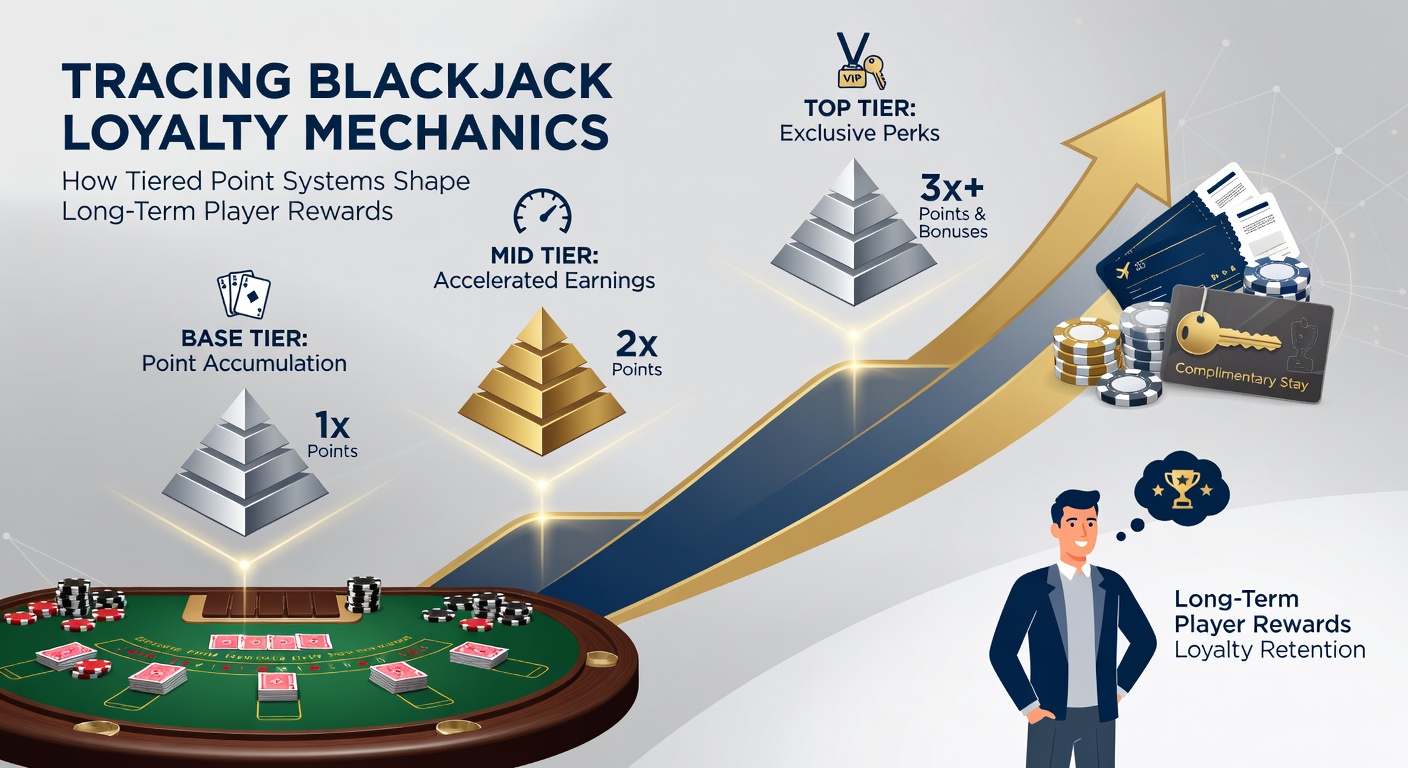
Tracing Blackjack Loyalty Mechanics: How Tiered Point Systems Shape Long-Term Player Rewards
Blackjack loyalty programs operate through structured tiered point systems that convert table play into accumulating rewards over extended periods, and these frameworks influence how players approach the game across multiple sessions. Points typically accrue based on average bet size, time spent at the table, and specific game variants, which creates a measurable path from casual participation to elevated status levels that unlock progressively better benefits.
Mechanics Behind Point Accumulation
Players earn points through a formula that factors in theoretical loss or actual handle, and most systems award one point for every five to ten dollars wagered on average, depending on the casino operator and regional regulations. This calculation runs in real time via player tracking cards inserted into table readers, which feed data directly into central databases that monitor progress toward tier thresholds. Observers note that blackjack contributes at a higher rate than many slot games because the house edge remains lower, allowing sustained play to generate points more efficiently while maintaining longer sessions.
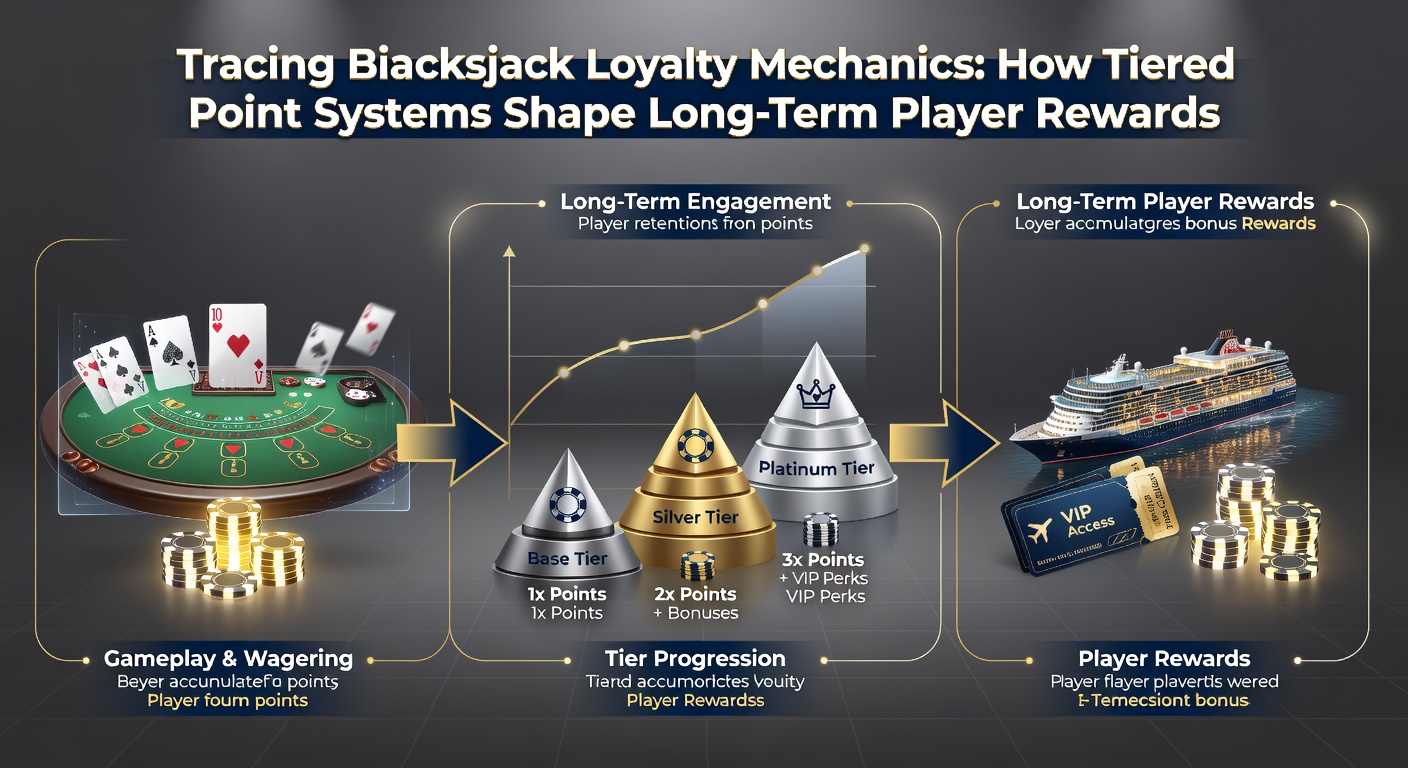
Tier structures usually follow a progression from entry-level access through intermediate and premium categories, with each level requiring a set number of points earned within a qualifying period such as a calendar year or rolling twelve months. Reaching the next tier often demands doubling or tripling the prior requirement, and benefits scale accordingly to include higher cashback percentages, priority table reservations, and complimentary meals or hotel stays that grow more generous at upper levels.
Impact on Player Retention and Behavior
Data from industry reports shows that participants in tiered programs extend their average visit duration by twenty to thirty percent once they near a tier threshold, since the visible progress encourages additional play to secure the next reward tier. This pattern holds across multiple jurisdictions, and research from academic studies on gambling behavior indicates that visible point counters and status indicators drive repeat visits even when short-term results at the tables vary.
Long-term rewards frequently take the form of personalized offers delivered through email or app notifications, and these incentives align with a player's historical betting patterns to maximize perceived value. For instance, a mid-tier player might receive free-play coupons calibrated to their typical wager range, while top-tier members access private tournaments or dedicated host services that further cement loyalty.
Regional Variations and Regulatory Context
Operators in Nevada and Atlantic City maintain some of the most mature tracking infrastructures, yet newer systems in emerging markets incorporate mobile integration that lets players monitor points without physical cards. As preparations advance for updated compliance standards expected around May 2026, several properties have begun testing enhanced data encryption for loyalty databases to meet stricter privacy requirements while preserving the seamless point-earning experience.
According to statistics compiled by the American Gaming Association, loyalty program participation rates exceed seventy percent among frequent table-game visitors, and tiered structures account for a measurable share of overall marketing spend because they deliver higher return on investment compared with broad promotional blasts. Similar patterns appear in Canadian provincial reports, where point systems tied to blackjack have contributed to steadier revenue streams during slower seasonal periods.
Strategic Adjustments by Casinos
Casino management teams adjust point multipliers during promotional windows to stimulate volume at specific tables, and these temporary boosts often coincide with new game introductions or weekend events that attract targeted player segments. The approach allows operators to balance floor traffic without permanently altering the underlying tier qualification criteria that govern long-term rewards.
Those who track player data observe that individuals who maintain consistent play across multiple tiers tend to reduce volatility in their betting patterns, favoring steady wagers that accumulate points reliably rather than aggressive swings that risk faster depletion of bankrolls. This behavioral shift aligns with the design intent of tiered systems, which reward persistence over sporadic high-stakes sessions.
Conclusion
Tiered point systems in blackjack loyalty programs establish clear pathways from initial engagement to sustained rewards, and the mechanics continue to evolve alongside technological and regulatory developments through 2026. Operators refine these frameworks to maintain competitive edges, while players navigate the tiers by balancing session length, bet sizing, and strategic timing of redemptions that maximize accumulated value over months or years.